

 hario_seto
Hario Seto S
THE FOUNDER
.
20-y practiced as Architect .
10-y in FnB business
AGENTX.ID
"Hire Human Agents, Use AI tools, Get things done"
Marketplace for Human & AI Agents.
- founder & full-stack developer of AgentX.ID.
PASMAS
"East Asia Hub for Indonesia food product & material in Hongkong"
HK-CONNECTION (under ASA.MEDIA)
Culture, Places & Business in HK
All HK-Based
HARIO SETO S
CODE | CONTENT | COMMERCE
.
20-y practiced as Architect .
10-y in FnB business
AGENTX.ID
"Hire Human Agents, Use AI tools, Get things done"
Marketplace for Human & AI Agents.
- founder & full-stack developer of AgentX.ID.
PASMAS
"East Asia Hub for Indonesia food product & material in Hongkong"
HK-CONNECTION (under ASA.MEDIA)
Culture, Places & Business in HK
All HK-Based
Area: North Point
Location: Hong Kong Island , Hong Kong
STACKSLIDES
PAIN POINTS VS ITCHY POINTS
A StackSlide about solving small business annoyances before trying to solve big business problems.
PAIN POINTS VS ITCHY POINTS
A SMALLER WAY TO START
Not every business opportunity starts from a big problem.
Sometimes, the best opportunity starts from a small irritation that people keep ignoring, delaying, or secretly wishing someone else would handle.
CHAPTER 1
WHAT IS A PAIN POINT?
PAIN POINTS ARE BIG PROBLEMS
THEY CREATE REAL PRESSURE
A pain point is a serious problem.
It can cost money, waste time, block growth, create stress, or damage the business if it is not solved properly.
EXAMPLE: SME CANNOT FIND STAFF
PAIN POINT
A café owner needs reliable workers, but people keep leaving.
This affects opening hours, customer service, food quality, and the owner’s mental energy every single day.
EXAMPLE: NO NEW CUSTOMERS
PAIN POINT
A small business has good products, but sales are flat.
The owner knows they need marketing, content, ads, partnerships, or better positioning, but the problem feels too big to start.
EXAMPLE: ADMIN IS CHAOTIC
PAIN POINT
Receipts, invoices, customer data, supplier notes, orders, and payments are scattered everywhere.
The business still runs, but the owner cannot see clearly what is happening.
WHY PAIN POINTS ARE HARD
BIG PROBLEMS NEED TRUST
Pain points are valuable, but they are harder to solve.
They usually involve money, trust, behavior, process, systems, people, and long-term execution.
CHAPTER 2
WHAT IS AN ITCHY POINT?
ITCHY POINTS ARE SMALL FRICTIONS
NOT URGENT, BUT ANNOYING
An itchy point is not a crisis.
People can live with it. But if someone fixes it, their day becomes smoother, cleaner, faster, easier, or more professional.
THE ITCHY POINT SENTENCE
THIS IS THE SIGNAL
The customer thinks:
“This is not a big problem, but I wish someone could handle it.”
That sentence is a business opportunity.
EXAMPLE: DOCUMENT DELIVERY
LOCALOPS ITCHY POINT
A business owner needs to send a document from Central to Causeway Bay.
It is not a major logistics problem. But going there personally wastes time and breaks focus.
EXAMPLE: UGLY MENU PHOTO
FNB ITCHY POINT
A restaurant has a good menu, but the food photos look old and unattractive.
The business still works, but every customer sees a weaker first impression.
EXAMPLE: MESSY INSTAGRAM BIO
SOCIAL MEDIA ITCHY POINT
The business has Instagram, but the bio is unclear, highlights are messy, and the link is not useful.
It does not destroy the business, but it reduces trust.
EXAMPLE: WHATSAPP IS UNTIDY
DIGITAL ADMIN ITCHY POINT
The owner uses WhatsApp Business every day, but there are no labels, quick replies, greeting messages, or catalog structure.
Small mess. Big daily friction.
EXAMPLE: GOOGLE MAPS IS OLD
LOCAL BUSINESS ITCHY POINT
The café is still open, but Google Business photos are outdated, opening hours are wrong, and reviews are unanswered.
Customers may hesitate before visiting.
CHAPTER 3
WHY ITCHY POINTS MATTER
SMALL TASKS ARE EASY TO BUY
LOW RISK, FAST DECISION
A customer may hesitate to buy a big solution.
But they can easily test a small task: delivery, cleanup, setup, editing, checking, organizing, or fixing.
SMALL TASKS BUILD TRUST
MARKETPLACE COLD START
A small task is a trust entry point.
The client does not need to risk much. The agent can prove reliability quickly. The platform starts with real transactions.
ITCHY POINTS REPEAT OFTEN
FREQUENCY CREATES VALUE
One small task may look too simple.
But SMEs have many repeated small frictions every week. When collected together, they become a real service market.
ITCHY POINTS REVEAL PAIN
SMALL FRICTION SHOWS BIG PATTERN
A messy Instagram bio may reveal weak branding.
Messy receipts may reveal poor admin systems.
Repeated errands may reveal that the owner is doing too much alone.
CHAPTER 4
EXAMPLES FOR AGENTX.ID
LOCALOPS DOCUMENT RUN
RATECARD EXAMPLE
Service:
Pick up and deliver documents or small packages across Hong Kong Island.
Customer:
Small offices, agencies, solo founders, consultants, and local SMEs.
INSTAGRAM PROFILE CLEANUP
RATECARD EXAMPLE
Service:
Clean up bio, highlights, profile link, pinned posts, and basic brand structure.
Customer:
Cafés, salons, boutiques, freelancers, coaches, and small shops.
WHATSAPP BUSINESS SETUP
RATECARD EXAMPLE
Service:
Set up WhatsApp link, greeting message, quick replies, labels, basic catalog, and QR code.
Customer:
Any SME that sells or communicates through WhatsApp.
GOOGLE BUSINESS REFRESH
RATECARD EXAMPLE
Service:
Update photos, opening hours, description, service list, review reply templates, and business profile details.
Customer:
Restaurants, cafés, clinics, salons, gyms, and local shops.
RECEIPT CLEANUP BASIC
RATECARD EXAMPLE
Service:
Collect receipt photos, rename files, categorize expenses, and put them into a clean spreadsheet.
Customer:
Small business owners who delay admin work.
MENU PHOTO REFRESH
RATECARD EXAMPLE
Service:
Retake or improve menu photos, organize food categories, and create simple promo visuals.
Customer:
FnB owners who want better first impression without hiring an agency.
SUPPLIER PRICE CHECK
RATECARD EXAMPLE
Service:
Contact several suppliers, compare prices, organize notes, and summarize the best options.
Customer:
SMEs that need better purchasing decisions but lack time to research.
SIMPLE FLYER TODAY
RATECARD EXAMPLE
Service:
Create a simple promo flyer for Instagram, WhatsApp, or printing using provided product details.
Customer:
Small businesses that need fast promotion, not a full branding project.
CHAPTER 5
THE STRATEGIC LADDER
START FROM ONE SMALL ITCH
THEN CLIMB TO BIGGER VALUE
Do not start by asking the client to transform everything.
Start with one small delayed task. Deliver it well. Then use trust to move into bigger work.
FROM IG BIO TO MARKETING SYSTEM
EXAMPLE LADDER
Itch:
Instagram bio is messy.
Task:
Clean up the profile.
Next:
Weekly content.
Bigger pain:
The business needs a steady customer acquisition system.
FROM RECEIPTS TO BUSINESS CONTROL
EXAMPLE LADDER
Itch:
Receipts are messy.
Task:
Organize expenses.
Next:
Monthly admin support.
Bigger pain:
The owner needs clearer cashflow and operational control.
FROM DELIVERY TO LOCALOPS
EXAMPLE LADDER
Itch:
One document needs to be delivered.
Task:
Pick up and drop off.
Next:
Weekly local errands.
Bigger pain:
The owner needs operational support without hiring staff.
FROM MENU PHOTO TO FNB GROWTH
EXAMPLE LADDER
Itch:
Menu photos look weak.
Task:
Refresh food visuals.
Next:
Promo posts and delivery menu improvement.
Bigger pain:
The restaurant needs better sales and customer attention.
CHAPTER 6
HOW TO FIND ITCHY POINTS
LOOK FOR DELAYED TASKS
THE OWNER KEEPS POSTPONING THEM
Ask:
What small task has been delayed for weeks?
Old photos. Messy files. Unanswered reviews. Broken links. Unused catalog. Outdated menu. These are signals.
LOOK FOR DAILY ANNOYANCE
SMALL FRICTION, MANY TIMES
A task becomes valuable when it repeats.
If the owner complains about it often, avoids it often, or does it badly because they are busy, an agent can help.
LOOK FOR LOW-SKILL BUT TIME COSTLY
PERFECT FOR AGENTS
Some tasks are not technically hard, but they take attention.
Checking, organizing, delivering, formatting, updating, comparing, confirming, and cleaning up are good examples.
LOOK FOR PROFESSIONALISM GAPS
SMALL FIX, BETTER TRUST
Many SMEs do good work but look less professional online.
A better profile, cleaner menu, clearer WhatsApp flow, or updated Google Business page can improve trust fast.
THE SIMPLE FILTER
IS IT WORTH A SMALL PAYMENT?
Ask this:
Would a busy SME owner pay a small amount so they do not have to think about this anymore?
If yes, it may be an itchy point.
CHAPTER 7
POSITIONING FOR AGENTX.ID
MICRO-SOLUTIONS FOR SME FRICTION
CLEAR POSITIONING
AgentX.ID can help SMEs handle small business tasks without hiring full-time staff.
This makes the platform easier to try, easier to trust, and easier to repeat.
BERESIN KERJAAN KECIL
INDONESIAN POSITIONING
A simple Indonesian line:
“Beresin kerjaan kecil yang sering ketunda.”
This feels practical, relatable, and easy for UKM owners to understand.
SMALL TASK FIRST
BIG TRUST LATER
The first transaction does not need to be big.
A small task can become the first proof that the agent is reliable and the platform can be trusted.
THE FINAL IDEA
START WHERE TRUST IS EASY
If the big pain is too hard to solve at the beginning, solve the itchy point first.
Small friction creates small transactions.
Small transactions create trust.
Trust opens the door to bigger problems.

BERKARYA
Refleksi pribadi tentang melihat BEKERJA dari sudut pandang yang berbeda > "BERKARYA". Bacaan ringan untuk siapapun kamu; Employee, Freelancers, Business owners. Berapapun umur kamu; 20's - 30's --- 70's.
TEMEN-TEMEN SUDAH MULAI PENSIUN
Temen-temen aku yang umur 45+ banyak yang mulai ngomongin pensiun.
Mulai santai.
Mulai pelan.
Sementara aku malah masih pengen bikin banyak hal.
Kalau hidup sampai 75 dan sekarang 45,
kita masih punya sekitar 30 tahun lagi.
Masa iya gak dipakai buat bikin sesuatu yang seru?
KERJA. CAPEK. ULANG LAGI.
Banyak orang hidup di pola yang sama.
Bangun pagi.
Kerja.
Capek.
Pulang.
Nunggu gajian.
Nunggu weekend.
Aku ngerti.
Uang memang penting.
Tapi lama-lama aku ngerasa,
masa hidup cuma begini doang?
Kayak ada sesuatu yang lebih dalam yang belum kesentuh.
MAU SEDIKIT CERITA
Dulu aku pernah kerja di perusahaan arsitek Singapore.
Based di Singapore, Guangzhou, dan Jakarta.
Project-nya banyak di China.
Boss-ku namanya Bob.
Waktu itu aku masih lihat kerja ya sekadar kerja.
Belum ngerti kalau ada orang yang hubungannya dengan kerja bisa sedalam itu.
COMPANY OUTING 6 HARI
Satu waktu kantor ada company outing 6 hari.
Tujuannya seneng-seneng,
makan enak,
dan lepas penat.
Karena project tahun itu lagi banyak dan sukses.
Hari pertama semua normal.
Happy.
Santai.
Seru.
Hari kedua,
si Bob ngilang.
SUASANA MENDADAK BERUBAH
Awalnya kami pikir dia cuma misah sebentar.
Tapi makin lama makin aneh.
Ditelfon gak bisa.
Dicari gak ada.
Yang tadinya santai jadi saling tanya.
"Eh Bob mana?"
"Kok gak ada?"
Bukan panik besar,
tapi cukup bikin kami gak tenang.
Karena ya aneh aja.
Lagi outing kok boss hilang.
"BOB IS IN THE OFFICE..."
Besoknya ada yang berhasil kontak dia.
Lalu datang kabar itu:
"Bob is in the office.
He said he’s working on the concept of the new Shanghai project."
Pas aku denger itu,
reaksiku bukan kagum.
Jujur,
aku malah bingung.
Dalam hati:
"Wah aneh nih orang..."
PADAHAL DEADLINE MASIH LAMA
Yang bikin aku makin gak ngerti,
project Shanghai itu project team aku.
Jadi aku tau persis situasinya.
Deadline concept-nya masih 3 bulan lagi.
Buat kami,
itu masih lama banget.
Jadi logika di kepala aku:
ngapain buru-buru?
ngapain segitunya?
ngapain sampai ninggalin liburan?
WEEKLY MEETING ITU MASIH KEINGET
Setelah balik dari liburan,
Senin minggu depannya ada weekly meeting.
Bob datang.
Lalu ada yang nanya:
"Bob, where were you? You disappeared last week."
Dia jawab santai:
"I suddenly had a great idea for Shanghai project."
Ruangan langsung rame.
"Whatttt?"
"WAH SAKIT NIH ORANG"
Lalu dia buka big A0 paper.
Di atasnya ada 30+ sketch papers.
Dia jelasin satu-satu.
Ide.
Arah.
Vision.
Energinya beda.
Bukan energi orang yang terpaksa kerja.
Dan dalam hati gue waktu itu cuma bilang:
"Wah sakit nih orang.
Santai aja kali.
Masih lama deadlinenya."
DULU AKU GAK PAHAM
Waktu itu aku lihat Bob sebagai orang yang terlalu serius.
Terlalu tenggelam sama kerjaan.
Terlalu niat.
Aku belum bisa relate.
Buatku saat itu,
kerja ya kerja.
Ada jam masuk.
Ada jam pulang.
Ada deadline.
Ada libur.
Aku belum ngerti gimana rasanya kalau seseorang lagi nyala dari dalam.
LALU HIDUP BERJALAN
Tahun-tahun berlalu.
Aku pindah ke HK.
Balik ke Jakarta.
Berhenti jadi karyawan.
Mulai usaha sendiri.
Bikin PT sendiri.
Punya beberapa karyawan.
Dan pelan-pelan,
aku mulai ngerasain sesuatu yang dulu gak pernah aku ngerti.
Ada dorongan dari dalam yang bikin pengen cepat ke kantor.
"OH... JADI INI YANG BOB RASAIN"
Dulu jaman masih kerja,
bangun pagi itu males banget.
Ngeliatin jam terus.
Nunggu makan siang.
Nunggu pulang.
Tapi setelah punya usaha sendiri,
rasanya kebalik.
Bangun pagi semangat.
Mau cepat ke kantor.
Kadang gak pengen pulang.
Di titik itu aku keinget Bob.
"Oh... jadi ini yang dia rasain dulu."
ITU BUKAN CUMA KERJA
Di situ aku baru ngerti.
Yang Bob rasain waktu itu bukan sekadar disiplin.
Bukan sekadar ambisi.
Dia lagi kebakar ide.
Ada momen saat seseorang bukan lagi digerakkan oleh jam kantor atau deadline.
Tapi digerakkan oleh sesuatu dari dalam.
Saat itu,
kerja berubah jadi karya.
KERJA DENGAN HATI ITU BEDA
Capek?
Tetap capek.
Draining?
Bisa banget.
Masalah?
Pasti ada.
Tapi kerja dengan hati itu beda.
Harimu beda.
Tenagamu beda.
Standarmu beda.
Karena lo gak lagi sekadar menyelesaikan tugas.
Lo lagi bikin sesuatu.
Lo lagi menuangkan sebagian diri lo ke dalam kerjaan itu.
YES, I NEED MONEY. A LOT.
Yes.
Aku butuh uang.
Banyak malah.
Tapi ternyata,
bekerja itu gak selalu cuma soal duit.
Ada lapisan lain yang lebih dalam.
Ada rasa bangga.
Ada rasa hidup.
Ada rasa pengen bikin sesuatu yang keren.
Makanya kadang kata yang lebih tepat bukan cuma BEKERJA.
Tapi > BERKARYA.
BERKARYA ITU APA?
Berkarya itu menciptakan sesuatu yang menurut kita keren dan bikin kita bangga.
Sesuatu yang berguna.
Punya impact.
Menyelesaikan masalah.
Menginspirasi orang lain.
Bentuknya bisa banyak.
Produk.
Jasa.
Desain.
Musik.
Sistem.
Brand.
Bisnis.
Cara kerja yang lebih baik.
BERKARYA SEBAGAI EMPLOYEE
Employee juga bisa berkarya.
Bukan cuma datang,
nerjain task,
lalu pulang.
Tapi bikin hasil kerja yang jauh di atas minimum.
Designer bikin deck lebih tajam.
Sales bikin sistem follow-up lebih rapi.
Admin bikin alur kerja lebih ringan.
Kalau kantor kurang apresiasi,
lo tetap lagi bangun portfolio dan network.
BERKARYA SEBAGAI FREELANCER
Freelancer berkarya saat dia gak cuma jual waktu.
Dia jual sudut pandang.
Rasa.
Kualitas.
Hasil
Copywriter bukan cuma nulis caption.
Dia bantu brand terdengar lebih kuat.
Videographer bukan cuma rekam.
Dia nangkep cerita.
Mereka yang berkarya naik kelas jadi pencipta value.
BERKARYA SEBAGAI BUSINESS OWNER
Business owner berkarya saat yang dia bangun bukan cuma transaksi.
Tapi sesuatu yang hidup.
Brand
Produk
Jasa
Pengalaman customer.
Budaya kerja.
Sistem.
Pemilik café bukan cuma jual kopi.
Dia bikin brand yang menginspirasi.
Kita menyebut itu karya dalam bentuk bisnis.
LO LAGI BERKARYA APA?
Yuk mulai berkarya.
Bikin sesuatu yang keren.
Yang berguna.
Yang bikin bangga.
Yang menyelesaikan masalah.
Yang menginspirasi.
Start where you are.
Use what you have.
Do what you can.
Percaya deh,
nanti ada spark kecil dalam jiwa.
Sekarang pertanyaannya:
lo lagi berkarya apa?

DELEGATE ATO STUCK
BY HARIO SETO
StackSlide tentang kenapa delegasi itu penting buat siapa aja yang tahu worth nya, value dirinya. Bukan cuma buat founder, tapi buat siapa pun yang gak mau waktunya habis di hal low value.
CHAPTER INDEX
REAL TALK
CHAPTER 1
NAIK LEVEL ATO GAK MAJU ?
PERTANYAAN YANG KADANG KENA BANGET
Gue pernah ngerasain sendiri.
Balas whatsapp, bikin konten, ngurus admin, coding, desain, follow up, revisi kecil.
Semua gue lakuin sendiri.
Ngerasa produktif?
Iya.
Tapi hasil besarnya maju?
Nggak juga.
Awal2 boleh,
kelamaan > nggak naik level
"
SIBUK BELUM TENTU PRODUKTIF
> BENER TAPI BASI !!
PRODUKTIF BELUM TENTU GROWING
> LEBIH RELEVAN LAGI
SIBUK BELUM TENTU PRODUKTIF; PRODUKTIF BELUM TENTU GROWING
BUSY ≠ PRODUKTIF | PRODUKTIF ≠ GROW
Teori :
"Sibuk bukan berarti Produktif"
> Bener! tapi basi, jadul
Nih lebih relevan :
"Produktif bukan berarti growing"
Kalo mau "Growing" itu gak hanya produktif. Tapi mulai pilah2 mana kerjaan yg esensial.
Kita cuma muter di tempat sambil capek sendiri.
WAKTU KITA ITU ADA HARGANYA
CHAPTER 2
TIME VALUE TUH JANGAN DIBAKAR
INI SOAL ROI WAKTU
Misal :
Sekarang Pendapatan Rp25jt /mth
Target Rp100jt /mth
Jam kerja 160 jam per bulan.
Berarti 1 jam nilainya sekitar Rp625 ribu.
Kalau jam itu habis buat kerjaan Rp50 ribu,
Secara logika, itu buang value.
Ini return on time.
Protect your value
KERJAAN MURAH MALAH JADI MAHAL BANGET
OPPORTUNITY COST ITU NYATA
Yang bahaya bukan cuma capeknya,
Tapi kesempatan yang hilang.
Harusnya 1 jam itu bisa dipakai buat closing, strategy, networking, product improvement atau deal penting.
Begitu dipakai buat hal unnecessary,
kita bayar mahal pakai waktu kita sendiri.
TRAP YANG BIKIN KEKUNCI
CHAPTER 3
"GUE LEBIH NGERTI SOAL INI"
TRAP PALING UMUM
Sering banget orang mikir,
"gue paling ngerti detailnya."
Kadang bener.
Tapi itu juga yang bikin nahan semua kerjaan di kepala dan di tangan.
Akhirnya jadi pusat semua hal.
Dan growth kita susah naik karena semua numpuk di kita sendiri.
"PERFEKSIONIS PALSU"
KELIHATANNYA STANDAR TINGGI, ASLINYA SUSAH LEPAS
"Nanti hasilnya gak sesuai ekspektasi gue."
Kalimat ini sering terdengar pintar.
Tapi kadang cuma pembenaran buat tetap ngerjain semuanya sendiri.
Hasilnya?
5 jam habis buat hal kecil,
padahal kita harusnya mikirin hal yang lebih besar.
"TAKUT KELUAR DUIT"
PADAHAL YANG BOCOR LEBIH BESAR
"Sayang bayar orang, mending gue kerjain sendiri."
Masalahnya, banyak orang gak ngitung cost opportunity.
Kita hemat cash kecil hari ini,
tapi kehilangan waktu, fokus dan peluang yang jauh lebih mahal.
Itu bukan hemat.
Itu mahal dengan bentuk lain.
"CONTROL FREAK MODE ON"
INI BIKIN KITA MACET
Kita gak akan naik level kalau semua hal2 kecil harus lewat kita.
Setiap keputusan kecil nunggu approval kita.
Setiap revisi kecil nunggu tangan kita.
Setiap masalah kecil mampir ke kepala kita.
Lama-lama kita bukan bangun sesuatu.
Kita cuma jadi operator yang kelelahan.
"GUE ADALAH MANUSIA SUPER"
MERASA SENDIRI, GAK ADA YANG PEDULI JUGA
Kadang kita merasa :
Paling hebat,
Paling semua bisa sendiri
Paling gak butuh asisten
Paling ... Paling... Paling...
Si paling ini bahaya.
HIRE YANG KITA GAK BISA
CHAPTER 4
GAK HARUS JAGO SEMUA HAL
DAN ITU NORMAL
Kita gak harus jago dev, design, finance, HR, copywriting, automation, semuanya.
Justru makin cepat kita sadar batas skill kita sendiri,
makin cepat hidup ato kerjaan bisa maju.
Hire expertise yang emang kita gak punya. ke orang lain yang expert atau malah ke AI.
Itu keputusan yang sehat.
KALO BUTUH 3 BULAN BUAT BELAJAR, HIRE AJA
JANGAN SEMUANYA DIPELAJARI SENDIRI
Kalau ada skill yang perlu waktu berbulan-bulan buat kita kuasai,
padahal kita butuh hasilnya dalam waktu dekat.
Hire orang yang udah jago.
Dev, designer, data analyst, media buyer, bookkeeper.
Kita beli kecepatan, pengalaman, result. Bukan sekadar tenaga.
EXPERT PANGKAS TRIAL AND ERROR
BAYAR SHORTCUT YANG SEHAT
Waktu kita hire expert,
kita bukan cuma bayar orang buat ngerjain tugas.
Kita bayar jam terbang si expert,
system dan kesalahan2
yg gak perlu kita ulang sendiri.
"Kesalahan2 itu mahal lho"
Kadang 1 orang ahli bisa ngirit waktu berbulan2.
Itu powerful banget.
DELEGASI KE AI TOOLS JUGA VALID
NOT EVERYTHING NEEDS A HUMAN
Delegasi gak harus selalu ke orang.
Kadang bisa ke AI tools, automation, template, software, atau workflow system.
Repetitive tasks yang gak butuh judgement tinggi,
automate aja.
Biar kita fokus ke high-leverage work yang memang perlu otak dan arah dari kita.
KITA TETAP PEGANG ARAH
CHAPTER 5
HIRE BUKAN BERARTI LEPAS TANGAN
KITA TETAP PEGANG ARAH
Delegasi itu bukan berarti kita kabur dari tanggung jawab.
Kita tetap set the vision,
nentuin target,
standar,
priority
dan outcome yang diinginkan.
Bedanya, kita gak lagi jadi tangan buat semua detail teknis.
Kita jadi director, Mastermind,
bukan operator.
KERJAIN YANG CUMA KITA YANG BISA
INI KERJAAN BERNILAI TINGGI
Ada kerjaan yang memang harus kita pegang sendiri:
ambil keputusan penting,
nentuin arah,
ngebangun relationship strategis,
nentuin positioning, jaga kualitas besar.
Kalau kerjaan itu bisa diajarin ke orang lain,
besar kemungkinan itu harusnya didelegasikan.
KEPALA KITA JUGA BUTUH RUANG
CHAPTER 6
MENTAL LOAD ITU NYATA
BUKAN CUMA CAPEK BADAN
Yang bikin orang tumbang karena semua numpuk di kepala.
Inget deadline.
Cek file
Balas chat
Monitor ini itu
Ngurus hal sederhana
Begitu sebagian beban itu pindah,
legaa banget rasanya.
Otak kita jadi bisa napas.
PAS MULAI DELEGASI, PIKIRAN LEBIH JERNIH
BARU TERASA BEDANYA
Begitu kita mulai berani serahin sebagian kerjaan,
tiba-tiba kepala lebih ringan.
Kita bisa lihat hidup, kerjaan ato bisnis dengan lebih jernih.
Bisa mikir strategi.
Bisa fokus ke hal besar.
Bisa ambil keputusan lebih tenang.
Dan itu efek yang sering diremehin.
FRAMEWORK SIMPLE
CHAPTER 7
3 PERTANYAAN SEBELUM NGERJAIN
FILTER CEPAT BUAT SIAPA PUN YANG TAHU VALUE-NYA
Sebelum kita ambil kerjaan baru, tanya 3 hal:
1. Cuma gue yang bisa?
2. Ini langsung bikin gue maju?
3. Ini worth it secara waktu?
Kalau jawabannya gak kuat,
besar kemungkinan kerjaan itu harus didelegasikan,
dihilangkan
ato di-automate.
KALO ORANG LAIN BISA 80% > DELEGATE
STOP NUNGGU SEMPURNA
Banyak orang baru mau delegasi kalau orang lain bisa 100% sama kayak dia.
Masalahnya itu gak realistis.
Kalo ada orang yang bisa deliver 80% dengan jauh lebih murah dan cepat,
itu udah cukup buat mulai.
Sistem dan training bisa bikin hasilnya makin naik.
AKSI NYATA - REAL ACTION
CHAPTER 8
MULAI DARI KERJAAN BERULANG
EASY WIN DULU
Coba list semua kerjaan kita minggu ini.
Lalu tandain mana
yang berulang,
yang harusnya simple,
yang bisa dibikin SOP.
Biasanya di sini jawabannya muncul:
admin,
editing,
research,
posting,
customer support awal,
reporting,
input data
HIRE 1 ORANG ATO 1 TOOL MINGGU INI
MULAI KECIL, TAPI JALAN
Jangan langsung bangun tim besar.
Mulai dari 1 orang freelance,
1 admin part-time,
1 editor,
1 AI tool,
ato
1 automasi sederhana.
Yang penting mulai ngeluarin diri dari kerjaan yang bisa didelegasikan.
Step kecil ini bisa ngubah ritme hidup dan kerjaan kita
DELEGASI BUKAN "LEMAH"
ITU SKILL ORANG YANG MAU NAIK LEVEL
Orang yang bisa naik bukan orang yang paling sibuk.
Tapi orang yang tau kerjaan mana yang harus dia pegang,
dan mana yang harus kita serahkan.
"Delegasi itu bukan tanda kita lemah"
"
Know your worth.
Value your worth.
Increase your worth.

ANJIRR GUE DITOLAK !
BY HARIO SETO
Kenapa kita harus latihan untuk terbiasa menerima penolakan (Rejection)
DITOLAK ITU EMANG SAKIT
BUKAN LEBAY, EMANG BERASA
Ditolak itu sering kerasa lebih dalam dari yang kita kira.
Bukan cuma soal orang bilang no, tapi kadang kayak ngebentur harga diri juga.
Makanya banyak orang overthinking cuma gara-gara satu penolakan.
Dan itu normal.
YANG DITAKUTIN BUKAN “NO”
TAPI YANG DI KEPALA KITA
Sebenernya orang jarang takut sama kata no.
Yang bikin berat itu pikiran setelahnya.
“Gue kurang menarik ya?”
“Gue ga cukup bagus ya?”
“Gue malu banget nih.”
Padahal seringnya, itu cuma cerita yang kita bikin sendiri.
SATU PENOLAKAN BUKAN BERARTI LO GAGAL
ITU CUMA SATU MOMEN
Orang nolak lo bukan berarti lo jelek, ga layak, atau ga menarik.
Bisa aja timing-nya ga pas, orangnya lagi ga mood, lagi buru-buru, atau emang ga tertarik.
Udah.
Sesimpel itu kadang.
KESALAHAN PALING UMUM
REJECTION DIJADIIN IDENTITAS
Banyak orang habis ditolak langsung mikir:
“Wah gue payah.”
Padahal yang lebih sehat itu:
“Oke, gue ditolak.
Tapi gue berani nyoba.”
Itu beda banget efeknya ke mental dan cara lo lihat diri sendiri.
KALO LO GA KUAT DITOLAK
HIDUP LO BAKAL SEMPIT
Karena akhirnya lo jadi males mulai.
Males jualan, males kenalan, males nawarin ide, males negosiasi, males tampil.
Banyak pintu kebuka justru setelah lo berani nerima kemungkinan ditolak.
Itu harga masuknya.
REJECTION ITU HARUS DILATIH
BUKAN DIPIKIRIN DOANG
Semakin lo hindarin, semakin besar takutnya.
Semakin lo hadapin pelan-pelan, semakin kebiasa.
Otak lo perlu bukti kalau ditolak itu ga bikin lo hancur.
Dan bukti itu datang dari pengalaman, bukan teori.
MULAI DARI YANG KECIL DULU
JANGAN LANGSUNG YANG BERAT
Latihannya ga usah langsung yang bikin deg-degan banget.
Mulai dari hal simpel.
Coba minta diskon kecil.
Coba nanya sesuatu ke orang asing.
Coba minta tolong hal ringan.
Tujuannya cuma satu: ngebiasain diri buat berani minta.
LATIHAN DI DUNIA NYATA ITU PENTING
BIAR MENTAL LO KEBENTUK
Di kepala semuanya keliatan serem.
Tapi pas dijalanin langsung, ternyata banyak hal ga seburuk itu.
Lo jadi belajar cara ngomong, cara buka obrolan, cara baca situasi, dan yang paling penting, cara tetap santai.
COBA NGOBROL SAMA CEWE ITU BUKAN SOAL NAKLUKIN
(KHUSUS COWO) TAPI SOAL BELAJAR SANTAI
Kalau lo mau latihan approach ke cewe, mindset-nya jangan buat maksa dapet hasil.
Bukan buat “harus dapet nomor.”
Tapi buat belajar nyapa orang dengan sopan, tenang, dan ga kaku.
Itu dulu yang penting.
Ini berlaku juga untuk lawan jenis kebalikannya
INTINYA SOPAN DAN RINGAN
GA USAH SOK KEREN
Lo bisa mulai simpel banget.
“Hi, sorry.
kerja di mana? dulu sempet di PT ABC gak sih? kayaknya gue sempet liat, nggak ya?”
Kalau dia respons enak, lanjut ngobrol dikit.
Kalau engga, santai.
Senyum, pamit, selesai.
KALAU DITOLAK, TERIMA BERSIH
JANGAN NGEJAR
Ini penting.
Kalau orang ga tertarik, ya udah.
Jangan dipaksa, jangan ditanya kenapa, jangan nyoba muter balik biar dia berubah pikiran.
Kadang yang bikin lo keren justru cara lo mundur dengan tenang.
BIKIN CHALLENGE BUAT DIRI SENDIRI
BIAR ADA LATIHAN NYATA
Misalnya seminggu ini target lo:
10 kali nanya hal kecil ke stranger
3 kali buka obrolan baru
1 kali nyoba approach yang sopan
Fokusnya bukan hasil.
Fokusnya reps.
Biar badan dan mental lo kebiasa.
UKUR DENGAN CARA YANG BENAR
JANGAN CUMA LIHAT HASIL AKHIR
Jangan ukur diri lo dari “berhasil atau gagal” doang.
Ukur dari:
Gue jadi nyoba ga?
Gue tetep tenang ga?
Gue sopan ga?
Gue bisa move on cepet ga?
Itu growth yang lebih penting daripada sekadar hasil.
REJECTION NGELATIH EMOSI LO
BIAR GA GAMPANG GOYANG
Pas ditolak, lo belajar buat ga langsung drop.
Lo belajar nafas normal, tetap kalem, ga baper berlebihan, ga marah, ga malu kebangetan.
Itu skill yang kepake bukan cuma buat dating, tapi buat hidup sehari-hari.
LO JADI LEBIH PEKA BACA SITUASI
KARENA MAKIN SERING NYOBA
Kalau lo udah sering latihan, lama-lama lo ngerti.
Oh, timing ngaruh.
Oh, cara ngomong ngaruh.
Oh, energy ngaruh.
Jadi lo ga asal nyalahin diri sendiri terus.
Lo mulai paham konteks, bukan cuma perasaan.
CONFIDENCE YANG ASLI ITU ...
BUKAN SEMUA ORANG HARUS SUKA LO
Percaya diri yang bener itu bukan ngerasa semua orang bakal nerima lo.
Tapi tau kalau meskipun ada yang nolak, lo tetap gapapa, santai.
Lo tetap utuh.
Lo tetap jalan.
Itu confidence yang jauh lebih stabil.
MANFAATNYA JAUH LEBIH BESAR
BUKAN CUMA URUSAN CEWE
Kalau lo udah kuat ditolak, lo bakal lebih enak buat jualan, networking, minta opportunity, negosiasi, presentasi, sampai ngomongin value diri lo.
Karena lo udah ga terlalu takut sama kemungkinan “enggak”
REJECTION NUNJUKKIN TITIK LEMAH LO
DAN ITU BAGUS
Kadang penolakan nunjukkin kalau lo masih haus validasi, masih takut diliat gagal, atau masih gampang goyah sama pendapat orang.
Sakit sih.
Tapi justru itu bahan latihan yang paling jujur buat ngelihat diri sendiri.
JANGAN CARI HIDUP TANPA PENOLAKAN
ITU MALAH BIKIN KECIL
Kalau lo pengen hidup aman terus, ya mungkin lo bakal jarang ditolak.
Tapi ya itu juga berarti lo jarang nyoba hal besar.
Orang yang mau hidupnya naik level, pasti ketemu rejection berkali-kali.
Itu bagian dari proses.
UBAH CARA PANDANG LO
INI LATIHAN, BUKAN LUKA
Setiap no itu bukan bukti lo ga layak.
Itu bukti lo berani muncul.
Bukti lo berani ambil resiko.
Bukti lo ga sembunyi terus.
Anggap aja itu repetisi buat bangun mental, bukan alasan buat mundur.
UJUNGNYA, REJECTION BIKIN LO MERASA MERDEKA
KARENA LO GA TERLALU TAKUT LAGI
Begitu lo udah lebih kebal ditolak, hidup jadi lebih enteng.
Lo lebih berani ngomong, lebih berani mulai, lebih berani minta, lebih berani ambil peluang.
Dan seringnya, di situ hidup mulai kebuka pelan-pelan.

TRY TO WIN THE DEAL, NOT THE CONVERSATION
BY HARIO SETO
CHAPTER INDEX
"
This StackSlide explains why proving yourself right can kill momentum, and why the real goal in business is to move the relationship toward trust, clarity, and action.
THE REAL GAME
CHAPTER 1
THE TRAP
MOST PEOPLE TRY TO WIN THE MOMENT
They want the sharper response.
They want the better logic.
They want the last word.
They want to look smart.
It feels like strength.
But often,
it is just ego dressed as professionalism.
WHY THIS FAILS
BEING RIGHT IS NOT THE SAME AS GETTING THE DEAL
You can be correct and still create resistance.
You can make your point and still lose trust.
You can dominate the conversation and still kill momentum.
A deal closes when the other side feels safe enough to move.
WHAT CLOSES DEALS
CHAPTER 2
TRUST, CLARITY, SAFETY
THE THREE THINGS THAT MOVE PEOPLE
People move when they feel understood.
People move when things feel clear.
People move when risk feels manageable.
Those are what create commercial progress.
Not pressure.
Not verbal domination.
US -VS- THE PROBLEM
NOT YOU VS THE BUYER
The moment the conversation becomes you versus them, friction rises.
The moment it becomes us versus the problem, progress begins.
Good sellers do not fight the buyer.
They guide the buyer towards a decision.
HOW PEOPLE LOSE THE DEAL
CHAPTER 3
MISTAKE 1
CORRECTING TOO HARD
When the client says something inaccurate, some people rush to correct it.
That may protect ego, but damage the room.
A harsh correction creates defensiveness.
A smart reframe keeps dignity intact and keeps the deal alive.
MISTAKE 2
TURNING PRICE INTO EGO
When pricing gets challenged, weak discipline turns it personal.
The seller starts defending themselves instead of defending value.
The better move ::
to return to scopes. priorities, outcomes and tradeoffs.
MISTAKE 3
OVER-EXPLAINING THE WRONG THING
Too much explanation can signal insecurity.
It creates noise instead of confidence.
Often the stated objection is not the real issue.
If you answer the sentence but miss the emotion, the deal stalls.
HOW TO WIN THE DEAL
CHAPTER 4
STEP 1
LOWER YOUR EGO
Not every point needs a response.
Not every objection needs a battle.
Ask one question:
"Will this help move the deal forward, or only help me feel right?"
That mindset changes everything.
STEP 2
FIND THE REAL BARRIER
Every failing deal has a real barrier.
- Risk.
- Confusion.
- Budget.
- Timing.
- Internal politics.
- and more.
Your job is to find what is truly blocking movement, not just react to the latest sentence.
STEP 3
REFRAME AND SIMPLIFY THE NEXT STEP
You do not need to attack bad assumptions. Instead, You can redirect calmly.
Then make the next step feel easy.
Clear scope.
Clear timeline.
Clear deliverable.
Simple next action creates momentum.
REAL EXAMPLES
CHAPTER 5
IN MARKETING > WHEN THEY SAY YOU ARE TOO EXPENSIVE
RETURN TO OUTCOME
Do not react emotionally.
Do not defend your worth aggressively.
Bring the discussion back to result.
What outcome matters most?
What scope gets you there?
That keeps the conversation commercial, not personal.
IN MARKETING > WHEN THEY DISAGREE OR THE ROOM GETS TENSE
STABILIZE BEFORE YOU PERSUADE
Start with understanding.
Ask what they are optimizing for.
Ask what concerns them.
If tension rises, slow down and clarify the issue.
A calm room makes better decisions than a pressured one.
IN POLITICS > THE DEAL IS PUBLIC TRUST, NOT DEBATE DOMINANCE
WIN PEOPLE BY BEING EFFECTIVE
In politics, people often confuse sounding strong with being effective.
A politician can attack, deflect, and overpower a critic.
That may win a clip.
But the bigger objective is confidence, legitimacy and
the most important > The votes.
IN POLITICS > WHEN A LEADER IS CRITICIZED
ADDRESS THE FEAR, NOT JUST THE ATTACK
When the public is anxious, people want steadiness.
If a leader only fights back, they may look defensive or arrogant.
The stronger move is to reduce uncertainty, show direction, and restore confidence.
That is how you win the bigger outcome and save your name.
IN LEADERSHIP > THE DEAL IS ALIGNMENT, NOT AUTHORITY DISPLAY
ALIGNMENT IS THE KEY
A leader can shut people down and still lose the team.
If every challenge is treated like disrespect, people stop speaking honestly. The room becomes quieter, but weaker.
Real leadership protects trust while keeping direction.
IN LEADERSHIP > WHEN SOMEONE CHALLENGES YOU IN A MEETING
DO NOT PROTECT EGO, PROTECT THE CULTURE
You can crush the objection and prove rank rightaway.
- or -
You can examine the challenge calmly and strengthen the room.
The first wins status for a moment.
The second builds a team that still tells you the truth.
IN RELATIONSHIPS > THE DEAL IS TRUST, NOT TECHNICAL VICTORY
IN RELATIONSHIPS, MANY PEOPLE TRY TO WIN THE SENTENCE.
They correct every word, defend every detail and prove every point.
But the real goal is usually not accuracy. It is repair, safety, and closeness.
IN RELATIONSHIPS > WHEN YOUR PARTNER SAYS “YOU NEVER LISTEN”
DO NOT FIGHT THE WORDING, HEAR THE PAIN
You may have proof that you do listen. But listing evidence can make the other person feel even more unseen.
A better move is to answer the emotion beneath the sentence.
That protects the relationship better than winning the line.
FINAL WORDS : THE PRINCIPLE
CHAPTER 6
DISCIPLINE WINS DEALS
FROM PROVING TO PROGRESS
Understand
"whats the deal in every case"
Do not waste energy winning points.
Use that energy to win trust, reduce resistance and guide the next action.
IN ANY PART OF LIFE :
Ego wins arguments.
Discipline wins deals.

THE ONE INFLUENCER GROWTH PLAYBOOK
YOUTUBE SUMMARY : STARTER STORY
A StackSlide about app distribution, influencer partnerships, profit-based incentives, story-driven content and growing a simple app with one aligned creator.
CHAPTER INDEX
THE ONE INFLUENCER GROWTH PLAYBOOK
$300 MRR TO $35K MRR
Building apps is easier than ever.
Distribution is now the real bottleneck.
Flo built a simple expense tracking app, struggled alone for 18 months, then grew it with one smart influencer partnership.
DISTRIBUTION IS THE GAME
CHAPTER 1
THE APP WAS NOT THE PROBLEM
NOBODY WAS SEEING IT
Flo had a useful product but only reached around $300 MRR by himself.
The issue was not always product-market fit.
Sometimes the product is fine. The market simply has not seen it yet.
ONE PARTNER CHANGED EVERYTHING
10,000% GROWTH
After partnering with one content creator, Monai grew from $300 MRR to more than $35K MRR.
The lesson is sharp.
You do not always need 100 creators. You may need one aligned partner.
QUALITY BEAT QUANTITY
THREE VIDEOS PER MONTH
Flo and his partner posted only three videos per month.
The videos were high quality, story-driven and carefully made.
Strong distribution does not always mean high volume.
THE APP WAS SIMPLE
MINIMAL EXPENSE TRACKING
Monai is an expense tracking app.
Its edge is frictionless entry through AI, voice input and automation.
It is not bloated. It focuses on making money tracking easier.
A FAMILIAR CATEGORY CAN STILL WIN
ANOTHER BUDGET APP WORKED
Budget tracking is not a new category.
Monai still grew because it had better distribution and a clearer experience.
Old categories still have room when the product feels easier.
BUILD FAST, ITERATE FASTER
CHAPTER 2
HE BUILT IT FOR HIMSELF
PERSONAL PAIN FIRST
Flo wanted to track expenses again.
Other finance apps felt too cumbersome, so he kept quitting.
That frustration became the product insight: make tracking almost effortless.
AI MADE THE EXPERIENCE EASIER
VOICE AND AUTOMATION
Flo saw AI becoming useful and applied it to a boring task.
Instead of manually entering every expense, users could speak or automate entries.
AI worked because it removed friction.
HIS OLD APP TOOK TWO YEARS
AND NOBODY CARED
Before Monai, Flo built an app for two years.
When he launched, nobody cared.
With Monai, he chose speed. He shipped the first version in about one to two months.
SPEED CREATES FEEDBACK
LAUNCH BEFORE PERFECT
The first version did not need to be perfect.
It needed to exist.
Once the app was live, Flo could iterate based on actual behavior instead of guessing in private.
MONETIZATION WAS TESTED
TRIAL AND PAYWALL
Monai became subscription based with a 7-day trial.
They tested pricing models and found a hard paywall with free trial worked best.
Revenue improved through experiments, not assumptions.
THE PARTNERSHIP MODEL
CHAPTER 3
THE INFLUENCER REACHED OUT
MAKE YOURSELF FINDABLE
Flo’s creator partner found his socials inside the app.
That small detail mattered.
If creators can discover who built the product, partnerships can start without cold outreach.
TRUST CAME FIRST
THEN CONTRACT
The partnership was built on trust first.
Later, they formalized it with a contract.
Strong partnerships need clear incentives but also mutual belief in the product.
PROFIT SHARE CREATED ALIGNMENT
SKIN IN THE GAME
Flo moved from revenue share to profit share plus a fixed monthly retainer.
That made the creator care about real business outcomes.
The creator was not just delivering videos.
THE CREATOR BECAME A GROWTH PARTNER
NOT JUST A VENDOR
The influencer was incentivized to make the app win.
He thought about video ideas, storytelling and growth.
That is different from paying someone once for a post.
THREE GREAT VIDEOS BEAT SPAM
FOCUS WINS
They did not spam TikTok with dozens of videos.
They made fewer videos with stronger stories.
Quality content can compound when the creator understands the product deeply.
THE FIRST VIDEO 10XED MRR
PROOF OF DISTRIBUTION
The first creator video was a simple app walkthrough.
Within a week, MRR increased sharply.
Within a month, the app reached almost $8K MRR from around $300.
STORY CREATED BIGGER SPIKES
CONTENT WITH NARRATIVE
Later videos worked because they had a story.
One Apple-related story video reached 1.7 million views and added almost $5K MRR.
The strongest videos gave people a reason to care.
FEATURE LAUNCHES BECAME CONTENT
BUILD THE STORY
A highly requested feature became another strong video.
The creator shaped it into a story, not just an update.
Product changes can become marketing assets when framed well.
FINDING THE RIGHT CREATOR
CHAPTER 4
FIND ALIGNED PARTNERS
LIFESTYLE, TONE, AUDIENCE
Flo’s first rule: make sure the influencer’s lifestyle, tone and audience match the product.
The best creator is not always the biggest.
The best creator is the most aligned.
CHARISMA MATTERS
TRUST CONVERTS
Flo looked for personality and charisma.
He also wanted someone who connected with viewers and replied to comments.
That matters because app buyers often have questions before paying.
NOT PURE TECH
TECH PLUS LIFESTYLE
Flo did not only want a tech influencer.
He wanted tech plus lifestyle.
That audience cared about the creator’s story, taste and routines, not just app specifications.
WARM UP THE RELATIONSHIP
BE VISIBLE FIRST
Before outreach, follow the creator and engage with their content.
Creators notice recurring commenters.
If you do not have time, be honest. Do not fake a relationship.
BE SPECIFIC IN OUTREACH
NO GENERIC DM
Do not just say: I love your content, let’s collaborate.
Reference a specific video, detail or joke.
Show that you actually watched and understood their work.
CONNECT THE DOTS
SHOW PRODUCT ALIGNMENT
After appreciation, explain why your product fits their audience.
Make it feel like alignment, not a transaction.
The creator should see why their viewers would care.
ACKNOWLEDGE THEIR VALUE
SIGNAL WILLINGNESS TO PAY
Flo said this is critical: show early that the creator will be incentivized.
Respect their reach.
Creators get many requests, so clear compensation already separates you.
SELL THE FUTURE UPSIDE
SHOW THE OPPORTUNITY
Show examples of apps in the same niche making serious money.
This gives the creator a future mental model.
They need to see the partnership could become meaningful.
KEEP IT BRIEF
CREATORS ARE BUSY
Creators receive many emails and DMs.
A long pitch can kill momentum.
Be short, specific and clear about why the partnership makes sense.
SEND A PERSONALIZED VIDEO
HIGH EFFORT WINS
A personalized video can help you stand out.
Mention the creator’s name and specific content.
Most people will not do this, which is exactly why it works.
LOOK BEYOND THE US
GLOBAL CREATORS MATTER
Flo is German and his partner is Colombian.
The app grew through a non-US market.
There are strong creators and valuable audiences outside the obvious startup markets.
PRODUCT EXPERIENCE
CHAPTER 5
MINIMAL INTERFACE
ONLY WHAT MATTERS
Monai shows the distribution of expenses and the transaction list.
It avoids clutter.
The product promise is simple: track money without fighting the interface.
VOICE INPUT REDUCES FRICTION
SAY IT, TRACK IT
Users can say something like coffee at Starbucks, 50 bucks.
The app creates the transaction, adds tags and chooses the category.
That is the magic: less manual entry.
APPLE PAY AUTOMATION
TRACKING WITHOUT THINKING
Monai uses shortcuts and Apple Pay automation.
When a payment happens, the app can add it automatically.
The closer tracking gets to zero effort, the more likely users keep using it.
AI REPORTS ADD GUIDANCE
ASK YOUR FINANCES
Users can ask questions about their finances.
For example: how can I save €300 a month?
The app analyzes spending and returns a plan, turning data into action.
THE TECH STACK
CHAPTER 6
NATIVE IOS FOUNDATION
BUILT IN XCODE
Flo built the app natively with Xcode.
He used Claude Code heavily and paid for the max plan.
The stack supported fast building and continuous iteration.
REVENUECAT FOR TESTING
MONETIZATION INFRASTRUCTURE
RevenueCat helped show revenue stats and run A/B tests.
This mattered because paywall structure affected growth.
Monetization needs measurement, not guesswork.
APPWRITE FOR BACKEND
SIMPLE BACKEND LAYER
Flo used Appwrite for backend, authentication and database.
For AI requests, he used OpenAI for easier tasks and Anthropic for deeper analysis.
The tools stayed practical.
PAID ADS CAME LATE
COULD HAVE SCALED EARLIER
Flo was initially afraid of Meta ads.
Later, creator-made videos gave him strong ad assets.
His lesson: once content works organically, ads can pour fuel on the fire.
THE BIGGER LESSON
CHAPTER 7
APPS NEED DISTRIBUTION PARTNERS
BUILDERS NEED MARKETERS
Technical founders can build great products.
But many cannot create demand alone.
A strong creator partner can become the missing distribution engine.
INFLUENCER FOR EQUITY WILL GROW
ALIGNED INCENTIVES SCALE
The model works because the creator has upside.
They are not just renting attention.
They are helping build an asset that can grow with their content.
DISTRIBUTION CAN BEAT ORIGINALITY
ANOTHER APP CAN STILL WIN
Monai is not the first budget tracker.
It still won because it had better UX, better timing and better distribution.
Originality helps. Distribution often decides.
THE AGENTX.ID LESSON
CREATORS AS GROWTH PARTNERS
AgentX.ID can use this playbook.
Find one aligned creator for each niche: SME, freelancer, designer, marketer or local service owner.
Give them upside and let them tell the story.
THE FINAL PLAYBOOK
BUILD PRODUCT, PARTNER SMART
Build a useful app fast.
Make yourself findable. Find one aligned creator. Offer real upside. Create story-driven content. Test the winners with ads.
Distribution turns product into business.

THE NICHE MOBILE APP PLAYBOOK
YOUTUBE SUMMARY : STARTER STORY
A StackSlide about niche app ideas, AI-assisted development, fast iteration, organic marketing, influencer growth and solving tiny painful problems.
CHAPTER INDEX
THE NICHE MOBILE APP PLAYBOOK
ETHAN’S $20K/MONTH APP STORY
A 19-year-old founder built a mobile app making $20K/month.
The secret was not a huge market.
It was a tiny painful problem for combat sport athletes who needed to cut weight safely.
TINY PROBLEM, BIG BUSINESS
CHAPTER 1
THE APP WAS NOT FOR EVERYONE
THAT WAS THE ADVANTAGE
Cut Coach was built for wrestlers and combat sport athletes.
It helped them create science-based weight-cut plans.
The market was narrow but the pain was urgent.
NICHE CONVERTS BETTER
SPECIFIC PAIN WINS
The product solved a very specific pain point that other apps did not solve.
That made conversion strong.
A niche app does not need mass attention when the right people instantly understand the value.
SEASONALITY CREATED DEMAND
WRESTLING SEASON TIMING
The app launched around wrestling season.
That timing mattered because athletes were actively trying to make weight.
Demand rises when the product meets a real deadline.
THE NUMBERS WERE REAL
$60K REVENUE, 39K DOWNLOADS
In around six months, Cut Coach went from $0 to more than $60K revenue.
It reached around 39K downloads.
A tiny niche became a serious business because the problem was painful.
FOUNDER-MARKET FIT
CHAPTER 2
HE KNEW THE PAIN PERSONALLY
BUILT FROM EXPERIENCE
Ethan grew up competing in combat sports.
He was a provincial judo champion and national wrestling champion.
He understood weight cutting because he had lived the problem himself.
THE IDEA CAME FROM HIS HOBBY
BUILD WHERE YOU UNDERSTAND
His advice was clear: solve a problem inside your hobby.
You already know the language, pain and behavior of the market.
That makes the product sharper and easier to test.
PASSION BECAME PRODUCT
WRESTLING PLUS APPS
Ethan connected two things he already cared about: wrestling and building apps.
That combination gave him an edge.
Good startup ideas often come from overlapping personal worlds.
YOUR NICHE IS RESEARCH
YOU ALREADY HAVE DATA
When you build for your own world, every memory becomes research.
Every frustration becomes a feature clue.
Every friend in the niche can become an early tester.
AI CHANGED THE BUILD SPEED
CHAPTER 3
HE USED CURSOR AND CHATGPT
AI AS BUILDER PARTNER
Ethan used Cursor and ChatGPT to build faster.
AI reduced the development barrier.
That let him shift attention from only coding to product, marketing and iteration.
THE MVP TOOK ONE MONTH
FAST ENOUGH TO LEARN
The first version took around one month to build.
Then he gave it to his wrestling club for beta testing.
The first version did not work well but it exposed the real friction.
THE FIRST CONCEPT HAD FRICTION
COACHES WERE THE BOTTLENECK
The first version relied on coaches giving weight-cut plans to athletes.
His wrestling club did not use it.
That failure showed him the app needed to serve athletes directly.
HE CHANGED THE WHOLE CONCEPT
ITERATION SAVED THE PRODUCT
During July and August, Ethan changed the app so it generated plans for athletes.
He tested weight cuts on himself.
Then he redesigned the product and released it in September.
BUILD, TEST, REWRITE
THE REAL MVP LOOP
The lesson is simple: the first version is not the final product.
It is a learning tool.
Build fast, test with real users and be willing to change the core concept.
THE NICHE APP PROCESS
CHAPTER 4
STEP 1: PICK A HOBBY
START WITH FAMILIAR PAIN
Choose a hobby or community you understand deeply.
Then look for repeated pain.
The best niche app ideas often hide in routines people already care about.
STEP 2: USE AI TO BRAINSTORM
FIND PROBLEMS FASTER
Ethan asked ChatGPT for app ideas inside a chosen niche.
That helped him expand the idea pool.
AI is useful when you already give it a clear market and personal context.
STEP 3: DESIGN IN FIGMA
SEE THE PRODUCT FIRST
After choosing the idea, he designed the app in Figma.
Wireframes made the product concrete.
A visual draft helps you see flow, friction and missing screens before coding.
STEP 4: STUDY PROVEN APPS
DO NOT REINVENT EVERYTHING
Ethan looked at popular apps with similar layouts.
He borrowed proven patterns and adapted them.
The goal was not to copy blindly. The goal was to stand on tested design logic.
STEP 5: BUILD FRONTEND FIRST
MATCH THE DESIGN
He asked Cursor to create the frontend first.
Then he checked that the code matched the Figma design.
This kept the product visually aligned before backend complexity grew.
STEP 6: ADD BACKEND AND TOOLS
STACK FOR SPEED
He used Supabase for data, Vercel for hosting, OpenAI API for AI functionality, RevenueCat, Mixpanel, Superwall and cron jobs when needed.
The stack served speed and measurement.
MARKETING WAS THE UNLOCK
CHAPTER 5
HIS EARLIER APPS FAILED
BECAUSE HE DID NOT MARKET
Ethan built apps before Cut Coach but they made no money.
The reason was simple: he did not market them.
For Cut Coach, he decided to learn marketing right after building.
ORGANIC POSTS CAME FIRST
SMALL VIEWS, STRONG INTENT
He started with organic posts inspired by content in the same niche.
Some videos only got 200 to 500 views.
But those views produced 10 to 15 downloads per day.
YOU DO NOT NEED VIRAL
HIGH INTENT BEATS MASS REACH
The app did not need millions of views.
It needed the right viewers.
A niche product can grow from small traffic when the viewers feel the problem immediately.
SPECIFIC CONTENT WORKED
SHOW THE PAIN VISUALLY
One organic video showed a UFC fighter during a weight cut and after weigh-in.
That made the problem visible.
Good content shows the pain before asking people to download.
THE CTA MATTERED
TELL PEOPLE WHAT TO DO
Ethan added a call to action at the end of his videos.
That gave interested viewers a clear next step.
Niche content should not only educate. It should convert.
INFLUENCER GROWTH
CHAPTER 6
HE STARTED WITH SMALL CREATORS
NICHE CREATORS CONVERT
Because the niche was small, there were not many huge influencers.
So Ethan partnered with smaller creators first.
Creators with 1K to 10K views were enough to test traction.
DMS OPENED DISTRIBUTION
SIMPLE OUTREACH
He found creators by scrolling TikTok and Instagram Reels.
Then he sent partnership DMs.
Many creators said yes because the product was relevant to their audience.
BIGGER CREATORS CAME LATER
SCALE AFTER PROOF
After early influencer tests worked, Ethan moved to creators getting 20K+ views per video.
He did not start there.
He scaled only after proving the audience and message.
INFLUENCER VIDEOS BECAME ADS
ORGANIC PROOF TO PAID SCALE
Later, he turned influencer videos into paid ads.
That added extra revenue and helped the app scale faster.
The best ads often start as content that already worked.
THE PRODUCT EXPERIENCE
CHAPTER 7
THE APP GIVES NUTRITION LIMITS
CLEAR DAILY RULES
Cut Coach shows athletes the nutrition values they need to stay within each day.
Users log meals and track progress.
The product turns a stressful process into clear daily limits.
AI EXTRACTS FOOD DATA
LESS MANUAL WORK
When a user logs food like chicken, the app extracts nutritional values.
Then it adds the data to the daily goal.
Small automation reduces friction and makes tracking easier.
PROGRESS TRACKING KEEPS FOCUS
WEIGHT CUT VISIBILITY
Users can enter their weight each day.
That helps them see whether they are moving toward competition weight.
The app gives feedback before the deadline becomes dangerous.
RECOMMENDED MEALS ADD VALUE
GUIDANCE, NOT JUST TRACKING
The app recommends meals for each day.
That helps athletes stay within limits and avoid missing weight.
A strong app does not only collect data. It tells users what to do next.
THE DEEPER LESSON
CHAPTER 8
NO NICHE IS TOO SMALL
IF THE PAIN IS EXPENSIVE
Weight cutting for wrestlers sounds extremely narrow.
But missing weight can cost reputation, opportunity and competition results.
People pay when the cost of failure is high.
PARENTS CAN BE CUSTOMERS
WHO PAYS MATTERS
In high school and college sports, parents may pay for tools that help athletes compete.
The user and payer can be different.
This matters when pricing niche products.
COMMUNITY INTENSITY MATTERS
PASSION DRIVES PAYMENT
Wrestlers are often deeply committed to the sport.
That intensity makes the niche valuable.
A small community with strong commitment can outperform a large casual audience.
ADAPT ADVICE TO YOUR LIFE
ETHAN’S PERSONAL LESSON
Ethan said he used to make decisions based on other people’s opinions.
Now he still seeks advice but adapts it to his own life.
That gave him more purpose and confidence.
THE AGENTX.ID LESSON
QUESTION TO ACTION PLAN
AgentX.ID can use this lesson: start with niche communities and urgent pain.
Turn one specific problem into a WorkFlow.
Then connect users with the right HumanAgents, AiStacks and tools.
THE FINAL PLAYBOOK
BUILD TINY, GROW DEEP
Pick a niche you understand.
Find one painful problem. Build fast with AI. Test with real users. Market early. Use small creators. Turn winning content into ads.
Tiny can become profitable.

THE HIDDEN SAAS PLAYBOOK
YOUTUBE SUMMARY : STARTER STORY
A StackSlide about niche markets, fast validation, word of mouth growth and building profitable software for ignored customers.
CHAPTER INDEX
THE HIDDEN SAAS PLAYBOOK
JORDAN’S $1.5M APP STORY
95% of people miss the best business opportunities because they only look at obvious markets.
Jordan found an ignored customer.
He solved a real pain and built a SaaS that reached $1.5M lifetime revenue.
THE MARKET NOBODY LOOKED AT
CHAPTER 1
MOST PEOPLE CHASE TRENDY IDEAS
START WHERE OTHERS IGNORE
Jordan did not build another AI wrapper, social app or productivity tool.
He looked at a closed ecosystem: federal prison communication.
The opportunity was painful, real and underserved.
THE PRODUCT HAD NO APP STORE
NO UI. STILL VALUABLE.
Parakeet Chat had no mobile app.
No normal interface.
No download button.
Users inside prison used email. The system processed the message, contacted AI services and sent useful replies back.
THE REAL USER WAS INSIDE
THE CUSTOMER WAS OUTSIDE
The users were incarcerated people.
The paying customers were their families.
That is the insight: the person with the pain is not always the person with the credit card.
THE PROBLEM WAS EXPENSIVE PAIN
BAD SERVICE CREATES OPPORTUNITY
Existing prison services were expensive and low quality.
Jordan heard this directly from someone inside.
When people are stuck with bad options, a better simple product can spread fast.
VALIDATION IS EMOTIONAL
CHAPTER 2
MOST FOUNDERS AVOID VALIDATION
BECAUSE IT CAN KILL THE DREAM
Jordan’s sharpest lesson: people do not skip validation because they lack frameworks.
They skip it because they are attached.
Validation means the market can reject the idea.
BUILD THE SMALLEST REAL THING
VALIDATION THROUGH USAGE
In a closed ecosystem like prison, landing pages would not work.
So Jordan built the MVP first.
The MVP became the validation tool. Real users tested it and real feedback came back fast.
200 PAYING USERS WAS ENOUGH
SMALL NUMBER. STRONG SIGNAL.
Jordan did not need a million users to know it worked.
He got 200 paying users in about one month.
A small niche with real payment beats a huge market with fake interest.
SPEED BEAT PERFECTION
ONE MONTH PROTOTYPE
He built the prototype in about a month.
Then he added payments in another month.
By month two, the product was profitable. Speed revealed truth faster than planning.
THE TECH STACK WAS NOT THE SECRET
CHAPTER 3
THE STACK WAS PRACTICAL
TYPESCRIPT, REACT, POSTGRES
Jordan used TypeScript, React, Postgres, Redis, Auth0, Prisma, Zod and Docker.
Useful tools.
But not the reason it worked. The market pain mattered more than the stack.
AI IS THE NEW TECH STACK
SPEED IS THE ADVANTAGE
Jordan said he had not opened his code editor for months because AI now writes much of the code.
The future advantage is not only coding skill.
It is choosing the right problem and moving fast.
DO NOT WORSHIP THE LANGUAGE
USE WHAT HELPS YOU SHIP
Many builders ask what language to use.
Jordan’s answer: it does not matter much.
Use what lets you build quickly. The real game is speed, feedback and market truth.
GROWTH CAME FROM TRUST
CHAPTER 4
WORD OF MOUTH DID THE WORK
GOOD PRODUCT CREATES ZEALOTS
Prison is a closed ecosystem.
Normal ads would not work well.
So growth came from users telling other users. When pain is real, people become the distribution channel.
REFERRAL CREDITS HELPED
SIMPLE GROWTH LOOP
Jordan added an internal recruitment system.
If one customer brought another paying customer, the first customer got free credits.
That turned word of mouth into a repeatable growth loop.
EXPERIMENT LIKE A SCIENTIST
GROWTH IS DATA
Jordan’s growth advice was simple: test ideas, fail, collect data and iterate.
Most strategies will be bad at first.
That is fine if each attempt teaches you what to fix next.
THE BUSINESS MODEL
CHAPTER 5
$15 TO $20 MONTHLY SAAS
SIMPLE PRICING
Parakeet Chat charged families around $15 to $20 per month depending on the plan.
There was also a yearly discount.
Simple pricing made it easy for families to support people inside.
$300K ANNUAL REVENUE
$1.5M LIFETIME REVENUE
The product made a little over $300K in 2025.
Lifetime revenue passed $1.5M.
This came from a market most builders would never list as a startup opportunity.
30,000 PEOPLE TRIED IT
REAL ADOPTION
Around 30,000 people had tried Parakeet Chat.
Jordan said that represented about 20% of the US federal prison population.
That is what niche dominance looks like.
9 MILLION MESSAGES SENT
UTILITY BECOMES IMPACT
Parakeet Chat helped send about 9 million messages.
It also supported almost 100,000 family connections.
A small tool can create large human value inside a painful workflow.
THE USE CASES WERE SERIOUS
LEGAL RESEARCH AND LEARNING
Many users studied case law, legal rights and their own situations.
Others used it for learning, sports stats, family contact and business questions.
The product became more than chat.
THE FOUNDER LESSONS
CHAPTER 6
EVERYTHING YOU BELIEVE MAY BE WRONG
EXPERIENCE CORRECTS THEORY
Jordan said most people’s beliefs about business are not grounded in real experience.
You learn by doing.
Mistakes build judgment. That judgment helps you avoid bigger mistakes later.
THERE IS NO OVERNIGHT SUCCESS
TEN YEARS BEHIND THE WIN
Parakeet Chat looked like a sharp success story.
But Jordan had spent around a decade building software and making earlier mistakes.
The win came from accumulated skill.
START WITH A STUPID IDEA
CONTROLLED FAILURE TEACHES FAST
Jordan’s advice: start now with an idea that may fail.
Do it in a controlled way.
Protect your downside. You will learn more from real failure than another stack of business books.
THE REAL PLAYBOOK
CHAPTER 7
FIND A CLOSED ECOSYSTEM
WHERE NORMAL TOOLS DO NOT FIT
Great niche SaaS often lives inside constraints.
Closed industries, old workflows, ignored users and weird payment flows create openings.
Constraints can make the product harder to copy.
SOLVE ONE PAIN DEEPLY
NICHE BEATS GENERIC
Parakeet Chat did not try to serve everyone.
It served one group with one painful communication and learning problem.
A narrow product can grow faster when the pain is urgent.
LET USERS BECOME DISTRIBUTION
TRUST MOVES INSIDE COMMUNITIES
Some communities do not respond to normal marketing.
They respond to trusted people inside the network.
Build something useful enough that users explain it better than your ads can.
THE AGENTX.ID LESSON
QUESTION TO ACTION PLAN
AgentX.ID can learn this: do not chase every user.
Pick ignored niche customers with urgent problems.
Turn their question into a WorkFlow, then match the right HumanAgents and AiStacks.
BUILD FOR THE UNDERSERVED
FINAL LESSON
The biggest opportunity is often not the loudest trend.
It is a real customer with painful problems, bad options and a reason to pay.
Find that market. Build fast. Validate with money.
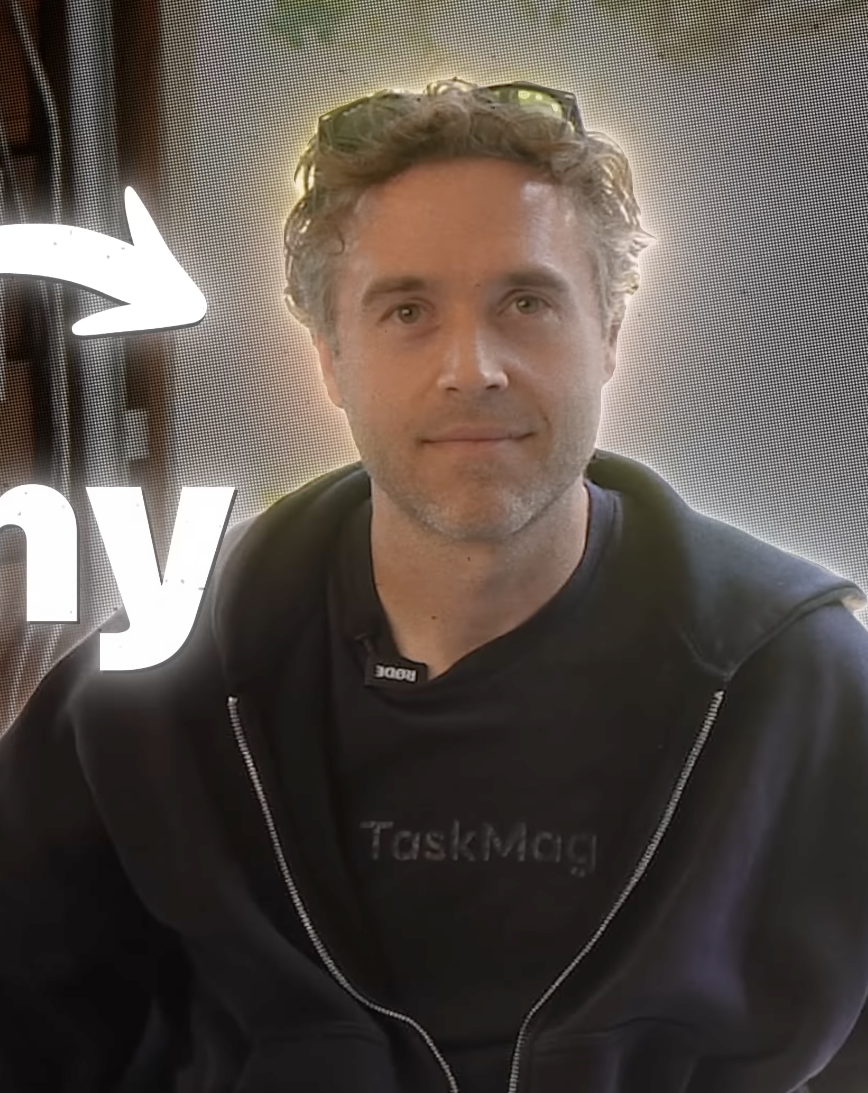
WHAT CAN WE LEARN FROM A SAAS MILLIONAIRE?
YOUTUBE SUMMARY : STARTER STORY
A chapter-based StackSlide on product strategy, ecosystem thinking, SaaS growth, exit pressure, and what AI changes about software building.
CHAPTER INDEX
THE NEW SAAS PLAYBOOK
CHAPTER 1
A DM STARTED IT ALL
THE STORY BEGINS WITH PROOF
The story starts with a direct message.
Jeremy claimed he had built and sold a SaaS business for millions.
That immediately raised the real question: was this luck, timing, or a repeatable system that still works in the AI era?
WHY THIS STORY MATTERS
NOT JUST SUCCESS THEATER
This was not interesting because of the house, the car, or the sale alone.
It mattered because Jeremy was pointing to a deeper shift: software may no longer be built as one isolated product.
It can now be built as an ecosystem.
THE BIG QUESTION
IS SAAS STILL ALIVE?
With AI tools rising fast, many people say SaaS is dead.
Jeremy’s case argues the opposite.
SaaS is not dead.
But the old way of building one product and forcing all growth through it may be getting weaker while ecosystem-driven products get stronger.
THE BUSINESS BEHIND IT
TASKMAGIC IN ONE LINE
Taskmagic was built to automate browser-based human actions.
It solved a gap left by tools like Zapier, which were often limited by APIs.
Instead of waiting for formal integrations, Taskmagic let users automate messy behavior directly in the browser.
REAL TRACTION
THIS WAS NOT A TINY SIDE PROJECT
The business reportedly scaled to more than 60,000 users and around 8,000 paying customers.
Some months went above $400,000 in revenue and the company reached about $3 million annually.
This gives real weight to the strategy behind it.
ONE FOUNDER, TINY TEAM
LEVERAGE OVER HEADCOUNT
A striking part of the story is team size.
Jeremy describes building and scaling the company with only one employee, his CTO.
That matters because it shows how modern software, no-code, and focused execution can multiply output without building a large org.
FROM NON-TECHNICAL TO SAAS
YOU DO NOT NEED THE PERFECT START
Jeremy did not begin as a traditional technical founder.
He started by hacking together an early product using no-code tools.
That first version was imperfect, but it was enough to validate demand, make money, and fund the next version.
VERSION 1 WAS IMPERFECT
BUT IT WAS USEFUL ENOUGH
The first product was described as a slow no-code app builder.
That could have killed momentum if perfection had been the goal.
Instead, it served a better role: proof of demand.
Once monetized, it created the room to hire and rebuild properly.
MONETIZATION CREATES OPTIONS
REVENUE IS STRATEGIC OXYGEN
Early revenue changes everything.
It turns ideas into options.
Once the first version made money, Jeremy could hire help, rebuild the product, and improve speed and quality.
A weak first version can still be powerful if it gets paid validation early.
A STRATEGIC PIVOT
LISTEN TO WHAT USERS REPEAT
After getting the first version to seven figures, the team stepped back and asked a bigger question.
What did customers keep asking for?
The answer was automation.
That repeated demand led them toward the larger opportunity instead of staying stuck in the first model.
THEY FOLLOWED THE PULL
CUSTOMER LANGUAGE IS MARKET DIRECTION
The important move was not inventing a random adjacent idea.
It was following the strongest signal from existing users.
Customers kept asking how to automate tasks.
That pull shaped the future business and helped turn a few hundred thousand into millions over time.
THE EXIT WAS TIMED
SELLING AT A PEAK IS A STRATEGY TOO
After strong growth and recognition, including landing on the Inc. 5000 list, Jeremy and his team saw that they might be near a meaningful peak.
Instead of assuming endless upside, they considered a sale while the story, numbers, and momentum were attractive.
THE CORE IDEA
CHAPTER 2
WHAT IS THE TENTPOLE STRATEGY?
ONE CORE PRODUCT WITH SUPPORTING PRODUCTS
The tentpole strategy means building one main product as the core business, then creating smaller products around it.
Those smaller products solve nearby problems, attract their own traffic, rank independently, make revenue, and feed users into the core product.
THE OLD WAY VS THE NEW WAY
FROM ONE PRODUCT TO AN ECOSYSTEM
The old model is simple: build one software product and push all marketing into it.
The tentpole model is different.
You build several focused products that support each other.
Each one becomes both a business asset and a distribution channel for the others.
TASKMAGIC WAS THE CORE
THE MAIN TENTPOLE
In Jeremy’s case, Taskmagic was the core tentpole.
It was the central automation engine.
Everything around it was designed to solve adjacent needs while naturally leading people back to Taskmagic when they needed more power, integration, or scale.
WHY THIS WORKS NOW
AI AND NO-CODE CHANGE THE ECONOMICS
This approach becomes more powerful in a world where shipping software is faster and cheaper.
When building mini-products no longer requires a huge team, products can be treated almost like content: fast to create, highly specific, and strategically connected.
SELL FUNCTIONALITY, NOT CONTENT
A CRITICAL MINDSET SHIFT
Jeremy makes a key point.
Instead of only creating free information tools or content for marketing, modern builders can create small functional software products.
Those tools do real jobs for users and can rank, convert, monetize, and upsell far better than content alone.
START WITH THE NEXT PROBLEM
THE RIGHT ADJACENCY MATTERS
Step one in the strategy is not building random add-ons.
It is identifying the next problem your current customer has after using your main product.
That next problem is where the supporting product should be built because the path between products stays natural.
SPECIFICITY WINS
NARROW PRODUCTS CAN GROW FASTER
A smaller and more specific tool can often rank and convert faster than a broad one.
Specificity sharpens search intent, value proposition, and customer fit.
That means a mini-product may attract users more efficiently than trying to make one giant all-in-one solution.
MINI PRODUCTS ARE NOT A DISTRACTION
THEY ARE PART OF THE SAME MACHINE
The supporting products are not meant to become unrelated side hustles.
That would scatter focus.
The point is to build an ecosystem where every product strengthens the same customer journey and deepens the same market position.
THE FIRST SATELLITE PRODUCT
MAIL LEAD
One supporting product they built was Mail Lead, a simple outbound email tool.
It addressed a clear need among their audience: business owners, agencies, freelancers, and sales-focused users who needed ways to do outreach before they needed deeper automation.
WHY MAIL LEAD MADE SENSE
IT MATCHED THE CUSTOMER JOURNEY
This product fit because Taskmagic users already cared about getting leads and driving action.
Outbound email was a direct next-step use case.
That made Mail Lead feel native to the ecosystem, not forced.
Good adjacency is what makes cross-product motion work.
SPECIFIC TOOLS GET SEO LIFT
ONE PRODUCT CAN OWN ONE INTENT
Mail Lead could target a narrow search intent better than a broad automation brand page.
That is part of the advantage.
Each focused product can rank around a specific problem, then introduce users to the wider product family once trust is earned.
A NATURAL UPGRADE PATH
UPSELL WORKS WHEN THE NEXT STEP IS OBVIOUS
The strategy becomes powerful when the smaller product naturally reaches a ceiling.
Users start with the simple tool.
Then they hit a limit, need integration, automation, or more complexity.
At that moment, the main product becomes the logical next purchase.
EMBEDDED HAND-OFFS MATTER
MOVE USERS ACROSS PRODUCTS SEAMLESSLY
Jeremy described connecting products through direct pathways.
A user doing email outreach could click into automation and land in Taskmagic.
That matters.
Cross-sell works best when it feels like feature expansion, not a separate sales pitch.
PRICING WAS PART OF THE MODEL
LOWER FRICTION AT THE ENTRY POINT
An important insight was that some customers did not want a recurring subscription immediately.
Using lifetime deals and usage-based pricing helped get adoption early.
This reduced resistance and let the ecosystem bankroll itself while increasing the chance of future upsells.
THEN THEY STACKED MORE
ADD THE NEXT PRODUCT IN THE CHAIN
After Mail Lead came another supporting tool: a lead discovery product.
The logic stayed consistent.
If users need to send outreach, they first need leads.
That means one tool creates the input and another tool acts on it, while the core product handles automation.
AN ECOSYSTEM COMPOUNDS
EACH PRODUCT FEEDS ANOTHER
This is where the model becomes powerful.
Leads feed email.
Email feeds automation.
Automation deepens product usage.
Each product has standalone value, but together they create a flywheel where acquisition, monetization, and retention reinforce each other.
PRODUCT AS DISTRIBUTION
CHAPTER 3
PRODUCTS CAN BE MARKETING
NOT JUST REVENUE ASSETS
One of the deepest ideas in this transcript is that products themselves can become a marketing layer.
Each mini-product is not only a revenue stream.
It is also a discoverability engine, a search entry point, and a trust-building surface for the wider ecosystem.
THIS CHANGES HOW BUILDERS THINK
FROM APP TO PORTFOLIO
Many founders think in terms of one app, one homepage, one funnel.
The tentpole model pushes a different view.
Think like a portfolio builder.
Create multiple precise assets that each capture demand and route users deeper into your broader business.
THE POWER OF SEARCH INTENT
OWN THE EXACT NEED
Broad brands are harder to rank and harder to explain.
Focused tools can win because they map tightly to one job.
The clearer the job, the clearer the search, the page, the hook, the conversion, and the next-step offer back into the tentpole.
AI MAKES THIS FASTER
SHIPPING NO LONGER COSTS THE SAME
What used to require larger teams and longer timelines can now be done much faster.
AI lowers the cost of prototyping, coding, writing, and launching.
That makes ecosystem building more practical for solo founders and lean teams than it was before.
THE NEW RISK
EVERYONE CAN BUILD FASTER NOW
AI does not only lower your cost.
It lowers everyone’s cost.
That means a single generic product becomes easier to copy and harder to defend.
An interconnected ecosystem with shared customer flow can become more defensible than one isolated tool.
SAAS IS EVOLVING, NOT DYING
THE WINNING SHAPE IS CHANGING
The transcript suggests a more accurate view than ‘SaaS is dead.’
Software still matters.
But the shape of winning software may shift from one large monolith toward smaller connected products built around a single market and a shared customer journey.
ONE IDEA STILL MATTERS
EVERY ECOSYSTEM STARTS SOMEWHERE
Even with the tentpole model, the process still begins with one working idea.
The difference is what happens next.
Instead of exhausting all growth inside one product, the founder expands outward into neighboring tools that increase distribution and monetization.
DO NOT BUILD RANDOMLY
EXPANSION NEEDS DISCIPLINE
A big danger is using AI speed to launch too many disconnected products.
That creates noise, not leverage.
The stronger interpretation of the strategy is disciplined adjacency: one audience, one ecosystem, several products, and a clear movement between them.
THE STRATEGIC LENS
ASK ONE HARD QUESTION
For every new product idea, ask:
Does this solve the next problem for the same customer and route them naturally back into the core business?
If the answer is yes, it may strengthen the tent.
If not, it may only split your attention.
THE EXIT REALITY
CHAPTER 4
THE SALE LOOKED GLAMOROUS
BUT THE INSIDE WAS DIFFERENT
From the outside, a seven-figure exit looks clean and aspirational.
Inside the process, it was stressful, uncertain, and emotionally heavy.
That contrast matters because public founder stories often show the outcome while hiding the cost of getting there.
HE WANTED OUT BEFORE 38
A PERSONAL DEADLINE SHAPED THE MOVE
Jeremy had a personal goal to exit before turning 38.
He also had family pressure and real financial obligations.
Those factors mattered.
The sale was not only a strategic event.
It was also tied to life stage, risk tolerance, and responsibility at home.
THE PROCESS WAS HEAVY
INTEREST DOES NOT EQUAL EASE
The business was listed and received strong interest, including more than one hundred messages.
But buyer attention does not remove the emotional weight.
The process still involved uncertainty, endurance, negotiation pressure, and the fear of things falling apart.
DEBT BEHIND THE EXIT
SUCCESS STORIES OFTEN HIDE THIS PART
One of the strongest moments in the transcript is the financial strain during the sale process.
Jeremy described personal debt and pressure mounting while waiting for the deal to close.
That exposes the messy truth behind many polished founder outcomes.
FOUNDERS CARRY PRIVATE FEAR
PUBLIC CONFIDENCE CAN BE MISLEADING
The fear was not abstract.
It was tied to family, mortgage, bills, and the possibility of having to explain failure at home.
That level of pressure often stays invisible online, but it shapes founder decisions more than public narratives usually admit.
EMOTIONAL ANCHORS MATTER
CLARITY IS NOT ALWAYS TACTICAL
Jeremy said one of the only things that brought calm was being with his daughter.
That detail matters.
In hard seasons, the stabilizing force is not always another tactic.
Sometimes it is the personal anchor that keeps someone psychologically steady enough to continue.
THE WIN DOES NOT ERASE THE WEIGHT
RELIEF COMES WITH A NEW QUESTION
After the sale, the financial result was life-changing.
But the transcript also hints at the strange emptiness after a major exit.
Once the pressure lifts, a founder often faces a new question:
what is my life and routine now that the mission changed?
WHAT FOUNDERS HIDE
CHAPTER 5
TOXIC POSITIVITY ONLINE
A REAL WARNING
Jeremy’s closing advice is sharp.
He says many people online present endless positivity, constant wins, and polished gratitude.
But they often hide the bad stretch, the doubt, the debt, the fatigue, and the moments where everything feels fragile.
WHY THIS MATTERS
FALSE SIGNALS DISTORT JUDGMENT
When founders only see polished stories, they misread reality.
They assume struggle means they are failing while others are winning cleanly.
That distortion creates shame and bad decisions.
Honest operating realities are more useful than success theater.
FOCUS ON PROBLEMS
NOT ON IMAGE MANAGEMENT
His advice was not to become negative.
It was to stay grounded in actual problems.
Problem focus leads to better product choices, clearer communication, and more resilient judgment.
Image focus often leads to pretending, drifting, and delayed correction.
SHARE THE HARD PARTS
AUTHENTICITY CAN BE STRATEGIC
There is also a brand lesson here.
Sharing bad days, failed attempts, and real constraints can create stronger trust than acting invincible.
People do not only connect with outcomes.
They connect with honest process and believable struggle.
THIS APPLIES BEYOND SAAS
A BROADER FOUNDER PRINCIPLE
The lesson is larger than software.
In any business, ecosystem thinking, honest operating narratives, and solving adjacent customer problems can beat the shallow approach of building one offer and wrapping it in artificial hype.
PRACTICAL LESSONS
CHAPTER 6
LESSON 1: START WITH DEMAND
DO NOT BEGIN WITH FANTASY
Jeremy’s path reinforces a core rule.
Start with a problem that already hurts enough for people to pay.
The first product does not need to be beautiful.
It needs to be useful enough to reveal demand and finance the next level of execution.
LESSON 2: FOLLOW CUSTOMER PULL
THE NEXT OFFER IS ALREADY IN THE SIGNALS
The best adjacent product is often hidden inside repeated user requests.
Listen to what your customers ask before and after they use the main offer.
Those repeated frictions can map the next product far better than brainstorming in isolation.
LESSON 3: BUILD SMALL BUT SHARP
SPECIFICITY BEATS VAGUE AMBITION
Small products can outperform broad ones when they solve one clear job.
Sharper use cases make search intent cleaner, messaging tighter, and conversion easier.
In the tentpole model, precision is not a limitation.
It is a growth advantage.
LESSON 4: DESIGN THE UPGRADE PATH
CROSS-SELL SHOULD FEEL INEVITABLE
Do not just build multiple tools.
Design their sequence.
What does the user need first?
What do they need next?
Where do they hit limits?
A strong ecosystem is built around logical movement, not random collections of products.
LESSON 5: LET PRICING REDUCE FRICTION
ADOPTION FIRST, EXPANSION LATER
Different entry points may require different pricing logic.
For some users, lifetime deals or usage-based pricing create enough trust to start.
Once value is proven, subscription or deeper product adoption becomes far easier to justify.
LESSON 6: USE AI FOR SPEED
BUT KEEP STRATEGY HUMAN
AI can help ship faster, test faster, and build more with less.
But speed alone is not strategy.
What matters is where you point that speed: toward the same audience, the same ecosystem, and the same compounding customer journey.
LESSON 7: BUILD DEFENSIBILITY THROUGH FLOW
NOT JUST THROUGH FEATURES
A single feature can be copied.
A product flow across several connected tools is harder to replace.
Defensibility can come from the movement between products, the data they create, the trust they build, and the convenience of staying inside one ecosystem.
LESSON 8: REVENUE BUYS TIME
CASH GIVES YOU STRATEGIC ROOM
One reason the story matters is that early monetization funded learning and rebuilding.
Revenue reduces dependence on theory.
It creates oxygen for iteration, hiring, patience, and optionality.
Founders should respect money as strategic leverage, not vanity.
LESSON 9: THE FOUNDER STORY MATTERS
TRUTH BUILDS STRONGER TRUST
People are tired of polished founder mythology.
A more durable brand comes from sharing what is real: the risk, the pressure, the missteps, and the logic behind decisions.
That kind of honesty can attract the right audience and deepen credibility.
LESSON 10: BUILD THE TENT, NOT JUST THE POLE
THE FINAL TAKEAWAY
The biggest lesson is this:
Do not think only about one product.
Think about the market you want to own, the sequence of needs inside it, and the cluster of tools that can serve that sequence.
The future may belong to connected product ecosystems.

CHAPTER INDEX
OPENINGS
"
A growing StackSlide about my life.
I build this playbook when I was 45,
from notes i built since i was 25,
from all :
what I read,
what I experience,
whom I met
whom I talked to
Where I go
Where I travel
...This will keep on changing and growing.
LIFE PLAYBOOK
A FRAMEWORK FOR HOW I WANT TO LIVE & DIE
This is not just a journal.
This is a structured playbook for my life.
A place to define meaning, shape vision, build plans, move with discipline, and live in a way that feels true.
Each section can grow.
Each chapter can deepen.
HOW THIS PLAYBOOK WORKS
9 SECTIONS THAT CAN EXPAND OVER TIME
This playbook is built in layers.
First comes > the sections.
Then > the chapters.
Then later,
each chapter can grow into principles, beliefs, plans, rules, goals, systems, and reflections.
It is designed to evolve with me.
PURPOSE & MEANING
SECTION 1
WHY DO I EXIST
CHAPTER 1.1
This chapter explores the deepest question.
Why am I here.
What is my role in this life.
What kind of responsibility belongs to me.
Not for a perfect answer.
But for a direction strong enough to guide my choices.
WHAT MATTERS MOST TO ME
CHAPTER 1.2
This chapter defines what truly deserves my time, energy, attention, and sacrifice.
Because when everything feels important, life becomes noisy.
Clarity begins when I know what matters most and protect it with intention.
WHAT KIND OF LIFE IS WORTH LIVING
CHAPTER 1.3
A life can look successful from the outside and still feel empty inside.
This chapter defines what a meaningful life actually means to me.
Not borrowed from trends, pressure, or status.
Built from conviction.
MY VALUES
CHAPTER 1.4
Values are the internal laws I choose to live by.
They shape how I treat people, how I make decisions, what I protect, and what I reject.
Without values, action becomes random.
With values, life gains spine.
MY STANDARDS
CHAPTER 1.5
Values are what I believe.
Standards are what I actually allow.
This chapter defines the quality level I expect from my behavior, work, relationships, mindset, and environment.
Because life often rises or falls to standard.
WHAT I REFUSE TO COMPROMISE
CHAPTER 1.6
Some things must stay non-negotiable.
This chapter marks the lines I do not cross.
The principles I will not sell.
The truths I do not bend just to gain approval, comfort, money, or convenience.
MEANING THROUGH WORK
CHAPTER 1.7
Work is not only about income.
It is also about contribution, identity, growth, and usefulness.
This chapter explores how my work can become a source of dignity and purpose, not just output and exhaustion.
MEANING THROUGH RELATIONSHIPS
CHAPTER 1.8
Meaning is rarely built alone.
This chapter explores love, friendship, loyalty, family, partnership, and shared struggle.
Because the people around me shape the texture of life and often the weight of everything I do.
MEANING THROUGH CONTRIBUTION
CHAPTER 1.9
A strong life should not end only in private gain.
This chapter asks what I give.
What I improve.
What I leave better.
What kind of contribution makes my life larger than my own personal survival.
THE PURPOSE I AM GROWING INTO
CHAPTER 1.10
Purpose is not always fully visible at the beginning.
Sometimes it reveals itself through years of building, failing, serving, learning, and becoming.
This chapter holds the purpose that is still unfolding inside my life.
DREAM & IDEAS
SECTION 2
MY BIGGEST DREAMS
CHAPTER 2.1
Dreams show the scale of what my spirit wants to reach for.
This chapter is where I allow myself to think beyond current limits, beyond practicality, and beyond fear.
Because before something is built, it must first be imagined.
THE LIFE I WANT TO CREATE
CHAPTER 2.2
This chapter defines the kind of life I want in full.
Not only money or career.
Also lifestyle, rhythm, environment, relationships, freedom, energy, and meaning.
A real picture of how I want life to feel day to day.
THE PERSON I WANT TO BECOME
CHAPTER 2.3
Dreams are not only external.
They are also personal.
This chapter defines the qualities, discipline, strength, wisdom, confidence, and character I want to grow into.
Because the future I want requires a stronger version of me.
IDEAS WORTH BUILDING
CHAPTER 2.4
Ideas are seeds.
Some stay as noise.
Some deserve a real life.
This chapter captures the ideas, concepts, visions, and opportunities that feel strong enough to become projects, businesses, movements, systems, or bodies of work.
DREAMS FOR BUSINESS
CHAPTER 2.5
This chapter focuses on what I want to build in business.
The companies, products, systems, markets, leverage, and long-term value I want to create.
Not just for revenue, but for impact, ownership, and freedom.
DREAMS FOR WEALTH
CHAPTER 2.6
Wealth is not just money sitting somewhere.
It is capacity, options, resilience, and room to move.
This chapter explores what wealth means to me and what kind of financial future I want to build with intention.
DREAMS FOR FAMILY
CHAPTER 2.7
A meaningful life must include the people I love.
This chapter holds my hopes for family, home, peace, support, shared memories, and legacy.
Because success feels different when it includes those closest to my heart.
DREAMS FOR IMPACT
CHAPTER 2.8
Some dreams are personal.
Some should reach further.
This chapter explores the effect I want my life, work, and ideas to have on other people, communities, industries, and the future.
Impact gives scale to effort.
CREATIVE VISIONS AND POSSIBILITIES
CHAPTER 2.9
Not every idea has to start as a business plan.
This chapter gives room for creativity, imagination, experiments, side visions, art, bold concepts, and future possibilities that may look uncertain now but still deserve space to breathe.
LONG-TERM IMAGINATION WITHOUT LIMITS
CHAPTER 2.10
This chapter exists to think far.
Past current roles.
Past current resources.
Past current identity.
A place to imagine what becomes possible over decades when growth compounds, courage expands, and vision keeps stretching.
PLAN & BUILD
SECTION 3
TURNING DREAMS INTO DIRECTION
CHAPTER 3.1
Dreams matter.
But without direction, they stay scattered.
This chapter turns vision into focus.
It asks which dreams matter most now, what they require, and where energy should go first so momentum starts to build.
MY LIFE ARCHITECTURE
CHAPTER 3.2
A meaningful life benefits from structure.
This chapter defines the major pillars of my life and how they connect.
Work, health, family, money, faith, creativity, contribution, freedom, and personal growth all need a place in the design.
MY 10-YEAR PLAN
CHAPTER 3.3
This chapter is about long-range direction.
What kind of life, identity, business, wealth, influence, and freedom I want ten years from now.
Not to predict everything exactly, but to create a powerful horizon that shapes present decisions.
MY 3-YEAR PLAN
CHAPTER 3.4
Three years is close enough to build seriously and far enough to transform a lot.
This chapter translates the long view into a mid-range strategy with concrete goals, projects, systems, milestones, and measurable growth.
MY 1-YEAR PLAN
CHAPTER 3.5
This chapter turns direction into a real operating year.
What I must build.
What I must improve.
What I must finish.
What I must stop.
A year becomes powerful when it is shaped on purpose rather than drifted through.
PROJECTS I NEED TO BUILD
CHAPTER 3.6
Big outcomes come through actual projects.
This chapter identifies the businesses, systems, assets, habits, platforms, relationships, and bodies of work I need to build so my bigger vision has something real to stand on.
SKILLS I NEED TO MASTER
CHAPTER 3.7
The future I want will demand stronger capability.
This chapter defines the skills I must learn, sharpen, and compound.
Technical skill, communication, leadership, judgment, sales, discipline, creativity, strategy, and execution all shape leverage.
SYSTEMS I NEED TO CREATE
CHAPTER 3.8
A powerful life cannot rely only on mood and motivation.
This chapter focuses on systems.
Routines, workflows, checklists, rituals, dashboards, and structures that reduce chaos and make consistency easier over long periods of time.
PEOPLE, TOOLS, AND RESOURCES I NEED
CHAPTER 3.9
No one builds a great life in total isolation.
This chapter maps the resources required.
People, partners, mentors, collaborators, capital, technology, knowledge, and environments that can accelerate the path and strengthen the build.
WHAT I BUILD FIRST AND WHY
CHAPTER 3.10
Everything cannot happen at once.
This chapter forces sequence.
What comes first.
What waits.
What unlocks the next level.
What matters most now.
A strong life plan is not just about vision.
It is also about order.
EXECUTE & HUSTLE
SECTION 4
DAILY EXECUTION PRINCIPLES
CHAPTER 4.1
This chapter defines how I operate day to day.
Not only what I believe in theory, but how I move in practice.
How I start, how I focus, how I finish, how I recover, and how I make each day contribute to something bigger.
DISCIPLINE
CHAPTER 4.2
Discipline is one of the most reliable forms of self-respect.
This chapter defines how I keep promises to myself, stay aligned with what matters, and keep moving even when emotion, comfort, or distraction tries to pull me away.
FOCUS
CHAPTER 4.3
Energy spreads thin when attention is weak.
This chapter is about protecting concentration, choosing priorities, and resisting noise.
Because the difference between motion and progress is often focus applied for long enough.
WORK ETHIC
CHAPTER 4.4
Work ethic shapes reputation, output, and self-trust.
This chapter defines how I want to show up.
With seriousness, consistency, stamina, care, ownership, and effort strong enough to make my words, goals, and ambitions believable.
HOW I HANDLE FEAR AND DOUBT
CHAPTER 4.5
Fear and doubt will visit every serious path.
This chapter explores how I respond when uncertainty rises, confidence drops, or risk feels heavy.
Not to remove fear completely, but to keep acting with courage anyway.
HOW I HANDLE FAILURE
CHAPTER 4.6
Failure is painful, but it can also be informative.
This chapter defines how I recover, learn, adjust, and continue after setbacks.
Because one of the biggest differences in life is whether failure becomes identity or instruction.
CONSISTENCY UNDER PRESSURE
CHAPTER 4.7
Anyone can move well when life is easy.
Pressure reveals structure.
This chapter is about staying grounded when tired, stressed, emotional, overloaded, or uncertain.
That is where long-term trust in self is really built.
BUILDING MOMENTUM
CHAPTER 4.8
Momentum changes everything.
This chapter focuses on how to create movement through repeated action, visible wins, fast feedback, and steady progress.
Because once momentum is alive, hard things start feeling more possible.
HUSTLE WITH INTELLIGENCE
CHAPTER 4.9
Hard work matters.
But direction matters too.
This chapter is about combining effort with strategy so I do not waste years moving intensely in the wrong direction.
The goal is not just activity.
The goal is leverage.
STAYING IN MOTION UNTIL RESULTS APPEAR
CHAPTER 4.10
Many people stop too early.
This chapter is about endurance.
Doing the work long enough, smart enough, and consistently enough for results to have a chance to show up.
Patience becomes powerful when combined with continued action.
LEARN & OBSERVE
SECTION 5
LIVE FREE & DIE FULFILLED
SECTION 6
WHAT FREEDOM MEANS TO ME
CHAPTER 6.1
Freedom means different things to different people.
This chapter defines what it actually means to me.
Not as a fantasy, but as a real condition of life I want to earn, protect, and live inside with clarity.
FINANCIAL FREEDOM
CHAPTER 6.2
Money may not be the meaning of life, but it affects the shape of it.
This chapter defines the level of financial strength, optionality, security, and ownership I want so my decisions can be driven more by values than by fear.
TIME FREEDOM
CHAPTER 6.3
Time is one of the purest forms of wealth.
This chapter explores how I want to control my time, choose my commitments, and build a life where my calendar reflects what matters instead of being owned entirely by demand and urgency.
MENTAL FREEDOM
CHAPTER 6.4
A person can look free from the outside and still feel trapped inside.
This chapter focuses on clarity, peace, emotional steadiness, and inner independence.
Freedom is incomplete if the mind remains ruled by fear, insecurity, chaos, or noise.
LOCATION FREEDOM
CHAPTER 6.5
This chapter explores where and how I want to live.
What environments give me energy.
What places support my work and spirit.
What freedom of movement means in my life and how it affects the way I design my future.
RELATIONSHIP FREEDOM
CHAPTER 6.6
Freedom is not isolation.
It is healthy alignment.
This chapter defines the kind of relationships I want around me.
Supportive, honest, energizing, respectful, and true.
The right people expand life.
The wrong ones drain it.
LIVING ALIGNED WITH MY VALUES
CHAPTER 6.7
The best kind of freedom is living in a way that feels internally true.
This chapter is about reducing the gap between what I believe and how I actually live.
Alignment creates integrity, peace, and a deeper kind of self-respect.
THE LIFE I WANT TO EXPERIENCE FULLY
CHAPTER 6.8
This chapter is about lived experience.
Not only goals achieved, but life felt.
Moments, presence, health, love, adventure, service, beauty, depth, laughter, and meaning.
A full life is not only built.
It is also truly experienced.
WHAT FULFILLMENT LOOKS LIKE AT THE END
CHAPTER 5.9
Fulfillment is not perfection.
It is completion with honesty.
This chapter asks what would make me look back and feel that my life was deeply used, courageously lived, and meaningfully spent on things that mattered.
DYING WITH PEACE, NOT REGRET
CHAPTER 5.10
This final chapter holds the biggest perspective.
At the end of life, what do I want to know for sure.
What do I want to have done, built, loved, protected, and become.
A strong life should end with peace, not silent regret.
THE POINT OF THIS PLAYBOOK
BUILD A LIFE ON PURPOSE
This playbook exists to help me live with more clarity, intention, courage, and structure.
Not drifting.
Not guessing forever.
Not shrinking into routine.
But building a life that feels true, strong, free, and fully lived.
LIVE BY DESIGN
FINAL LINE
Find meaning.
Dream boldly.
Build with structure.
Execute relentlessly.
Live freely.
Leave fulfilled.
WHAT WE CAN LEARN FROM DARA KHOSROWSHAHI (UBER CEO)
YOUTUBE SUMMARY
A deep StackSlide based on Dara Khosrowshahi’s long-form interview about rebuilding, leadership, company culture, relentless execution, AI disruption, autonomous vehicles, and what founders, operators, and professionals can learn from it.
CHAPTER INDEX
FROM LOSS TO DRIVE
CHAPTER 1
BORN FROM INSTABILITY
THE EARLY IMPRINT
Dara’s life was shaped by political upheaval.
His family lost safety, status, and everything they had built in Iran.
That experience did not just create fear.
It created a permanent drive to rebuild and never take stability for granted.
WHEN THE FLOOR CAN DISAPPEAR
WHY URGENCY STAYS
He described a feeling that never leaves:
The rug can be pulled from under you.
That mindset can create anxiety.
But in business it also creates vigilance, ambition, and a refusal to become complacent when things look safe on the surface.
HIS FATHER’S IMPACT
MEANING BEYOND MONEY
Watching his father lose not just wealth but also his sense of value left a deep mark.
The lesson is massive:
Work is not only about income.
It is tied to dignity, worth, contribution, and identity.
That matters in every discussion about AI and unemployment.
WANTED TO MAKE FAMILY PROUD
CHAPTER 2
AMBITION BEGAN AS DUTY
BEFORE TITLES AND STRATEGY
He did not begin with a master plan to become CEO.
His early motivation was simpler:
Make his family proud.
That matters because many careers are built first on duty, responsibility, and hunger long before they are shaped by a polished career narrative.
IMPACT MATTERS MORE OVER TIME
MONEY FIRST THEN MEANING
After losing everything, making money mattered.
That was real.
But as safety improved, what mattered more was building something important.
This is a useful founder lesson:
Money can motivate the start.
Impact often sustains the long game.
LEARN FROM THE FATHER YOU SAW
POWER WITH RESPECT
One memory stayed with him:
Visiting his father’s factory and seeing workers respect him.
Not fear.
Respect.
That shaped a core idea:
Real leadership is not just scale or authority.
It is building something big while treating people with dignity.
ENGINEERING AS A CEO MINDSET
CHAPTER 3
WHY ENGINEERING MATTERS
THE COMPANY AS A SYSTEM
He loved engineering because equations map to reality.
That same logic shaped his view of business:
A company is an organism and a machine.
The CEO’s job is to engineer goals, structures, incentives, teams, and systems that make the machine produce the intended result.
PICK THE RIGHT GOALS
NOT JUST SOLVE HARD PROBLEMS
Problem solving is not enough.
You also have to choose the right problem.
That is a strong operator lesson:
A well-run team can still lose if it is optimizing the wrong goal.
Execution excellence cannot save a company from strategic misalignment.
GREAT CEOS THINK LIKE BUILDERS
OPERATIONAL DESIGN
His framing is sharp:
The CEO is not just a spokesperson or capital allocator.
The CEO is designing a living system.
That means structure, pacing, accountability, information flow, and talent design all become part of the product of leadership itself.
BET ON PEOPLE
CHAPTER 4
GREAT COMPANIES START WITH GREAT PEOPLE
A DURABLE RULE
One lesson he learned early:
Always bet on people.
Companies rise and fall.
Markets change.
But great people remain unusually valuable over long periods.
This matters for founders, investors, and hiring managers making long-term decisions.
WHAT MAKES SOMEONE WORTH BETTING ON
CHARACTER SIGNALS
He pointed to traits like success, honor, loyalty, and follow-through.
Not charisma alone.
Not hype alone.
A great person says what they will do and then does it.
That consistency compounds trust over time and becomes a strategic asset in business.
RELATIONSHIPS OVER TRANSACTIONS
THE LONG GAME
The idea is not just to find talent once.
It is to stay with good people through their careers.
That is how strong networks and enduring businesses are built.
You do not just collect deals.
You build long arcs of trust with exceptional people.
SPOTTING OPPORTUNITY IN TRANSITIONS
CHAPTER 5
FIND THE LEADERS IN THE SHIFT
WHO IS ALREADY WINNING
When big transitions happen, exact outcomes are unclear.
So instead of predicting every detail, identify who is already emerging as the leader in the shift.
That is how he and his team approached online commerce categories like travel, ticketing, and personals.
OVERPAYING FOR GREATNESS
PRICE VS FUTURE REALITY
He said they often overpaid for great companies based on what the market thought at the time.
But those prices looked cheap later because the future was not linear.
Strong transitions often create exponential outcomes that ordinary valuation logic fails to fully price.
HUMANS THINK LINEARLY
BUT TECHNOLOGY COMPOUNDS
People project the future in straight lines because everyday life feels linear.
But new technologies can create hockey-stick outcomes.
The opportunity often lives in the gap between what people assume will happen and how fast a superior technology actually scales.
TURNAROUNDS REQUIRE FORCE
CHAPTER 6
A BROKEN ENGINE IS AN EMERGENCY
EXPEDIA’S WARNING SIGN
At Expedia he saw something dangerous:
The technology engine was broken.
Old codebase.
Weak reinvestment.
Coasting leadership.
His lesson was decisive:
When you see the bell ring, act.
Do not wait for more proof while momentum turns against you.
TECHNOLOGY DECAY BECOMES EXPONENTIAL
THE DOWNSIDE CURVE
He explained that just as growth can become exponential, decline can too.
A bad technology trajectory may not look catastrophic in year one.
But if left untouched it can turn into a long-term disaster.
Leaders must act before the full damage becomes visible.
SOMETIMES YOU REPLACE THE TEAM
CULTURE VIA PEOPLE
He was blunt:
Sometimes the shortcut to changing culture is changing people.
Values posters are not enough.
If the company is coasting, you may need hungry people with the right operating instincts before culture can actually reset in real life.
TRANSPARENCY AS SELF-DEFENSE
CHAPTER 7
TELL THE TRUTH FIRST
SO TRUTH COMES BACK
His view is powerful:
As a leader, if you hide reality from your team, they will hide reality from you.
Transparency is not just ethics.
It is information strategy.
You tell the truth because it is the only way to increase the odds of receiving truth in return.
BAD DECISIONS OFTEN START WITH BAD DATA
THE REAL PROBLEM
He said many CEO failures are not from low intelligence.
They come from getting the wrong information.
This is crucial:
A leader must design channels that surface uncomfortable truth quickly.
Otherwise polished summaries slowly separate leadership from reality.
GO TO THE SOURCE
CUT THROUGH LAYERS
He learned to bypass filtered reporting and hear directly from the source.
The farther information travels up a hierarchy, the more its sharp edges get rounded off.
That is why direct channels with people deep in the system can be so valuable for CEOs.
CULTURE OF HARD WORK
CHAPTER 8
HARD WORK IS A SKILL
NOT JUST A PERSONALITY TRAIT
One of his strongest ideas:
Working hard is a skill.
It includes discipline, focus, repetition, emotional endurance, and the ability to keep going after losses.
He sees it as one of the most important advantages a person can build over time.
RELENTLESSNESS COMPOUNDS
TIME ACCELERATION
His logic is simple:
If you can take two shots while others take one, you compress time.
You get more data.
You learn faster.
You increase your odds of success.
Relentless execution is not just effort.
It is a compounding system for learning and winning.
BE HONEST ABOUT THE STANDARD
NO COASTING
He believes a company should be clear:
If you come here, you will work hard.
You will be stretched.
You will be held accountable.
That honesty lets the right people opt in.
It also reduces the damage caused by hidden expectations and cultural mismatch.
FLEXIBILITY IS NOT LAZINESS
DIFFERENT FROM LOW STANDARDS
He makes an important distinction:
You can work very hard and still have flexibility.
Dinner with family.
Emails at night.
Early morning check-ins.
The issue is not rigid office theater.
The issue is whether the person and the company are truly committed to output.
RISK, LOSS, AND LEARNING
CHAPTER 9
SAY THE LOSS OUT LOUD
THEN MOVE
He admired leaders who can say:
They won.
We lost.
Next.
That matters.
Do not deny the loss.
Do not drown in it.
Study it enough to learn.
Then move.
A company or person that cannot metabolize failure gets stuck in fear and self-protection.
TOO DEFENSIVE IS DANGEROUS
SUCCESS CAN WEAKEN YOU
As companies become successful they often become risk-averse.
They have more to protect.
He argues the opposite should happen.
A stronger company should be able to take smarter risks because it has more resources to absorb mistakes while pushing for bigger upside.
SET THE EXAMPLE ON RISK
THE LEADER DEFINES RANGE
He pushes teams to take smart risks through language, example, and personal decisions.
People do not learn courage from slogans.
They learn it when leaders take visible risks, survive misses, and show that intelligent experimentation is expected rather than punished.
VALUES THAT ACTUALLY MEAN SOMETHING
CHAPTER 10
GENERIC VALUES ARE FORGETTABLE
PASSION IS NOT ENOUGH
He criticized generic value lists that sound nice but describe every company on earth.
If your values could fit any brand, they do not really guide behavior.
Strong values should reflect how your company is different and how people are expected to act under pressure.
DO THE RIGHT THING. PERIOD.
JUDGMENT MATTERS
His favorite value was simple:
Do the right thing. Period.
No long paragraph.
No corporate poetry.
The power is in the burden it places on the employee:
Use judgment.
That pushes responsibility downward instead of hiding behind process or technical excuse.
GO GET IT
AN ATTITUDE NOT A PHRASE
One value he highlighted was 'go get it.'
It fits Uber’s product and its operating posture.
It signals movement, aggression, initiative, and winning intent.
Good values are memorable because they capture actual behavior in language the company can live with daily.
AI IS ALREADY INSIDE UBER
CHAPTER 11
UBER WAS BUILT ON APPLIED AI
BEFORE THE HYPE WAVE
He explained that Uber already runs on AI:
pricing, routing, matching, batching, and orchestration across tens of millions of daily trips.
This matters because it shows AI transformation often begins long before the public narrative catches up to it.
COMFORT WITH IMPERFECTION
96% RIGHT STILL MATTERS
Uber learned to live with AI systems that work most of the time but still create edge-case failures.
That is a mature lesson:
AI adoption is not about waiting for perfection.
It is about building organizations that can operate with probabilistic systems responsibly.
APPLIED AI WILL RESHAPE EVERY TEAM
NOT JUST AI LABS
He does not frame Uber as a frontier research lab.
He frames it as a company moving hard on applied AI.
That distinction matters for builders:
You do not need to invent foundation models to gain advantage.
You need to apply models deeply inside real workflows.
THE BIG JOB QUESTION
CHAPTER 12
AI CAN REPLACE MUCH HUMAN WORK
A SERIOUS WARNING
He said the capability may exist within about 10 years for many intellectual jobs and longer for physical jobs.
He did not give false comfort.
The point was clear:
The scale of disruption may be enormous and society may not be ready for the retraining challenge.
THE SPEED IS THE PROBLEM
NOT JUST THE TECHNOLOGY
Society has adjusted to past technological shifts.
But his concern is timing.
If the capability arrives too fast, the social systems around retraining, identity, income, and meaning may not adapt quickly enough.
That is where the real shock could happen.
JOBS ARE ALSO ABOUT WORTH
BEYOND SALARY
He connected work to value and self-worth.
That is why job loss is not only an economic issue.
It is psychological, social, and existential.
Any serious AI strategy that ignores human meaning will misread the scale of the coming societal challenge.
CODING IS CHANGING FAST
CHAPTER 13
MOST ENGINEERS ALREADY USE AI
BUT INTENSITY MATTERS
He shared that most of Uber’s coders already use AI tools.
But the biggest gains came from a smaller group of power users.
That is a useful signal:
Adoption alone is not the advantage.
Depth of usage and workflow redesign are where real productivity jumps begin.
FROM WRITING CODE TO ORCHESTRATING AGENTS
THE ROLE SHIFT
He sees coding moving from manual construction toward orchestration.
The engineer still matters.
But the job increasingly becomes directing systems, reviewing outputs, shaping architecture, and managing agent-based production rather than typing every piece by hand.
PRODUCTIVITY GAINS CHANGE HIRING LOGIC
MORE BUILDERS OR MORE AGENTS
His view is pragmatic:
If engineers become more productive, maybe you hire more of them to move faster.
Later, maybe you add fewer humans and more agents and GPUs.
That is how AI shifts strategy:
Not only what teams do but what management decides to buy.
AUTONOMY AND THE FUTURE OF UBER
CHAPTER 14
AUTONOMOUS VEHICLES WILL LIKELY WIN
ON SAFETY AND COST
He was direct:
Autonomous systems are becoming safer than human drivers in key contexts.
That creates a massive social upside through fewer deaths and cheaper transport.
But it also means large numbers of driving-related jobs may eventually disappear.
NOT TOMORROW BUT NOT FAR AWAY
PHYSICAL WORLD SLOWS IT
He does not expect full replacement overnight.
Regulation, hardware, manufacturing, sensors, and real-world deployment take time.
Still, the direction is clear:
Over 15 to 20 years, a growing share of trips could be fulfilled by non-human systems.
WHAT DO THE DRIVERS DO?
THE UNANSWERED QUESTION
When asked what millions of displaced drivers will do, he did not pretend to have a clean answer.
That honesty matters.
He pointed to new forms of platform work and AI-related tasks.
But the balance between new opportunity and automation remains uncertain.
ADVICE FOR PEOPLE IN THE AI ERA
CHAPTER 15
WORK HARD FIRST
A TIMELESS EDGE
His default advice to young people stayed the same:
Work hard.
Not because it solves everything.
But because it remains one of the few durable edges that compounds across industries, roles, and changing technology cycles.
A strong work ethic travels well across uncertainty.
DO NOT OVER-PLAN YOUR CAREER
LEAVE ROOM FOR SIGNAL
He warned against overly rigid career plans.
Why?
Because they reduce curiosity.
People start filtering reality for evidence that supports their existing plan instead of staying open to life-changing signals coming from the real world around them.
LET THE WORLD CHANGE YOU FIRST
STAY OPEN
Before trying to change the world, let the world change you.
That is one of the strongest lines in the interview.
It argues for curiosity over ego, signal over rigid identity, and responsiveness over self-constructed certainty in rapidly shifting environments.
FINAL LESSONS
CHAPTER 16
WHAT FOUNDERS CAN LEARN
PRACTICAL TAKEAWAYS
Tell the truth early.
Act fast when the engine is broken.
Bet on exceptional people.
Build direct information channels.
Treat hard work as culture.
Use values that actually guide behavior.
Take smart risks.
Operate with urgency before the market forces urgency on you.
WHAT PROFESSIONALS CAN LEARN
PERSONAL TAKEAWAYS
Do not depend only on job titles for security.
Build resilience.
Learn to work hard.
Stay useful.
Stay curious.
Adapt faster.
Treat AI as a force you must understand, not a topic you postpone.
And remember that meaning and contribution matter as much as income.
THE DEEPER TENSION
PROGRESS AND CONSEQUENCE
The interview sits inside one central tension:
Technology can improve life and still destabilize millions.
That means serious leaders must do two things at once:
Build the future aggressively and speak honestly about the cost of getting there.